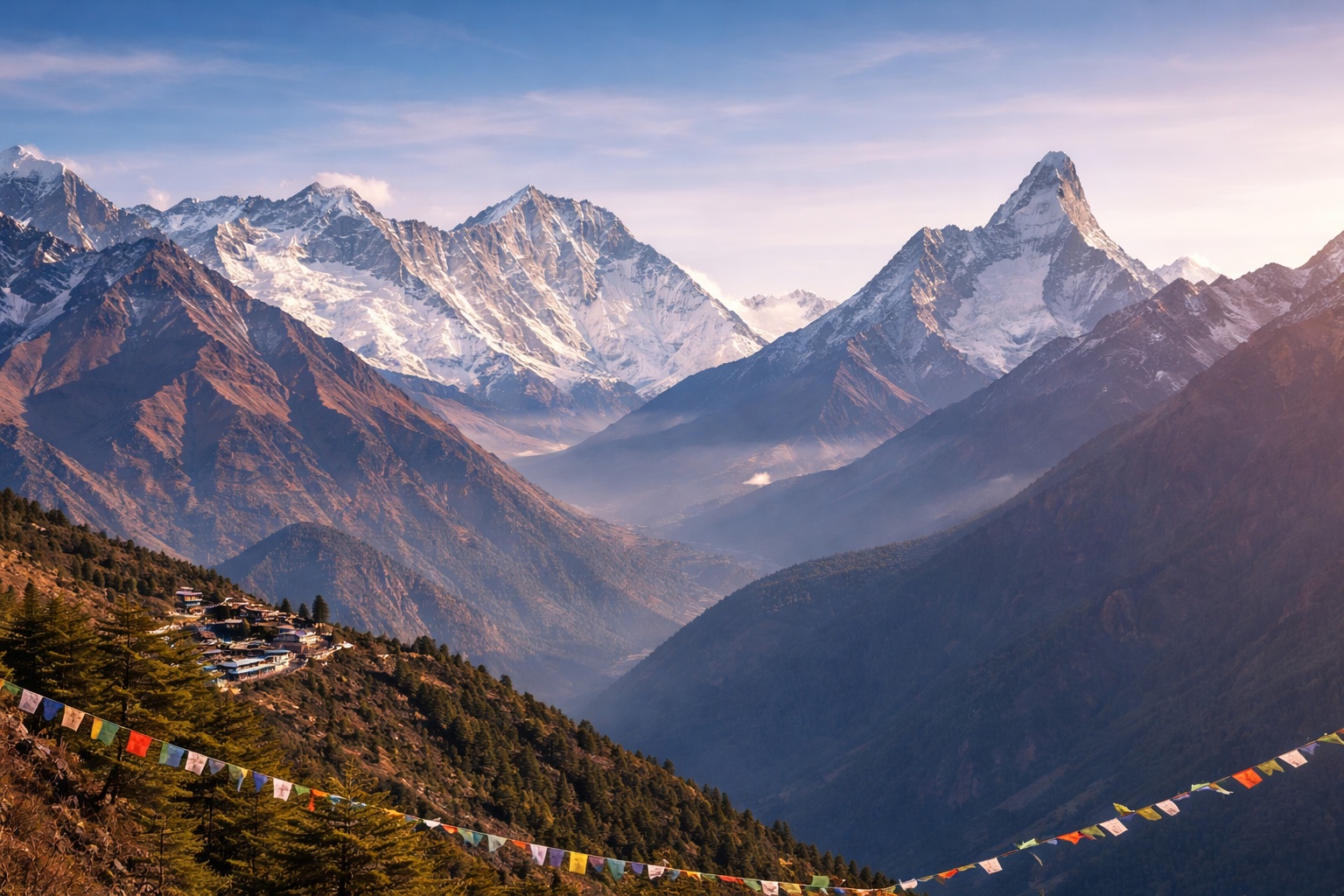
Overview of Gosaikunda
Gosaikunda (4,380 m) is one of Nepal's most sacred lakes - a high-altitude tarn in the Rasuwa District north of Kathmandu, enclosed by the rocky ridges of the Langtang National Park and set in a landscape of wind-swept moraine and patchy snow. The lake is sacred to Shiva - according to Hindu mythology, Gosaikunda was created when Shiva struck the frozen ground with his trident to obtain water after consuming the cosmic poison (halahala) that emerged during the churning of the ocean, his throat burning from the toxin. The name translates from Nepali as "Gosain" (holy man/Shiva) and "Kunda" (sacred pond).
As a trekking destination, Gosaikunda attracts two distinct visitor groups: Hindu pilgrims who come specifically for the lake's religious significance (particularly during the Janai Purnima festival in July/August, when pilgrim numbers swell to 10,000+); and trekkers using the Gosaikunda route as a high-altitude alternative approach to the Langtang Valley or as a standalone short trek from Dhunche. The combination of religious atmosphere, dramatic alpine setting, and relatively accessible altitude makes Gosaikunda one of Nepal's finest trekking destinations that is consistently underestimated by visitors focusing on the Khumbu and Annapurna regions.
Religious Significance
Gosaikunda's status as one of Nepal's most sacred sites is not nominal - the lake functions as an active pilgrimage destination year-round, with a constant small stream of Hindu sadhus (wandering holy men), local pilgrims, and Tibetan Buddhist practitioners making the ascent throughout the trekking season. The four small stone shrines on the lake's southern shore represent Shiva, Vishnu, Brahma, and the Ganesh figure formed by a rock cluster that pilgrims identify as Ganesh's profile on the lake surface.
For Tibetan Buddhists, Gosaikunda is associated with the Padmasambhava tradition - the lake appears in Bon and Nyingma tantric geography as a power place requiring ritual approach. The mixed Hindu-Buddhist pilgrimage character of Gosaikunda reflects the broader syncretism of Nepal's high-altitude religious culture where the boundaries between traditions are often fluid.
Janai Purnima Festival
Janai Purnima (the full moon of the Hindu month of Shravan - typically late July or August) brings the single largest gathering at Gosaikunda each year. Over 10,000 Hindu pilgrims and Nepali Brahmin and Chhetri community members make the ascent to Gosaikunda in the days before the full moon - many walking through the night in groups led by priests carrying oil lamps and singing devotional songs.
The ceremony at the lake involves bathing in the sacred water, changing the sacred thread (janai) worn by high-caste Hindu men (Brahmins and Chhetris), and receiving tika (vermillion blessing mark) from the Gosaikunda shrine priests. The sight of 10,000 pilgrims descending the rocky approach trail to the lake at dawn - many in traditional Nepali dress, many barefoot despite the altitude and cold - is one of the most compelling religious spectacles in the Himalayan world. Trekkers who time a visit to Janai Purnima witness something no amount of organized tourism can replicate.
The Gosaikunda Lake Chain
Gosaikunda is the largest and most sacred of a chain of nine high-altitude lakes along the Gosaikunda ridge - the others include Saraswatikunda (smaller; immediately east of Gosaikunda), Bhairabkunda (to the north), and the smaller tarns visible from the ridge above. The lakes are connected by the mythology of Shiva's trident strikes - each lake having a specific name and ritual significance in the Gosaikunda pilgrimage circuit.
Walking the full lake chain above Gosaikunda - continuing north along the ridge toward the Lauribina La (4,610 m) - is one of the finest alpine walks in the Langtang National Park zone, with continuous views of the Himalayan chain from Ganesh Himal (7,422 m) in the west to Langtang Lirung (7,227 m) in the east.
Getting to Gosaikunda
The standard approach from Kathmandu: Bus or taxi to Dhunche (1,950 m) - the Rasuwa district capital on the Langtang National Park boundary, 117 km north of Kathmandu (4 - 5 hours by road). From Dhunche, the Gosaikunda trail ascends through Sing Gompa (3,330 m; 4 - 5 hours from Dhunche) to Gosaikunda (3 - 4 hours above Sing Gompa). Total: 2 days from Dhunche.
Sing Gompa has a small cheese factory (similar to Kyanjin's) and 4 - 5 teahouses for overnight stops. The trail above Sing Gompa is well-marked and passes through rhododendron forest transitioning to alpine meadow before the final rocky approach to the lake.
Link to Helambu: The Gosaikunda Circuit
Gosaikunda is connected to the Helambu region to the southeast via the Lauribina La pass (4,610 m) - a crossing that adds 1 - 2 days to the trek and allows a circuit from Dhunche to Gosaikunda to Lauribina La to Tarke Ghyang (Helambu) and return to Kathmandu via Melamchi Pul Bazaar or Sundariyal. The full Gosaikunda-Helambu circuit (8 - 10 days) is one of Nepal's finest moderate trekking circuits with minimal trail crowds and excellent cultural exposure to the Tamang communities of the Helambu region.
Practical Information
- Altitude: 4,380 m (14,370 ft)
- Coordinates: 28.0944°N, 85.4167°E
- District: Rasuwa, Bagmati Province
- National Park entry fee: NPR 3,000 (checked at Dhunche)
- Walking time from Dhunche: 2 days (via Sing Gompa)
- Walking time from Syabrubesi: 3 - 4 days (via Lauribina La approach)
- Accommodation at lake: 2 - 3 basic teahouses; NPR 400 - 600/room
- Temperature (October): -2°C to 8°C day; -15°C night
- Best season: April - May; October - November
- Major festival: Janai Purnima (July - August full moon)
Recent Posts