Table of Contents
A month-by-month breakdown of Tibet's climate, road conditions, and the best seasons for Lhasa sightseeing, Everest views, and Mount Kailash pilgrimage.
Spring (April to May)
Spring offers stable weather and clear mountain views, making it one of the two peak seasons for Tibet travel. Temperatures in Lhasa are comfortable, and roads to Everest Base Camp and other high-altitude destinations are generally clear of winter snow.
Summer (June to August)
Summer brings the monsoon to parts of Tibet, though the rain shadow effect means precipitation is considerably lighter than in Nepal. This is the only season Namtso and Mount Kailash are reliably accessible, since winter snow closes many high-altitude roads.
Autumn (September to October)
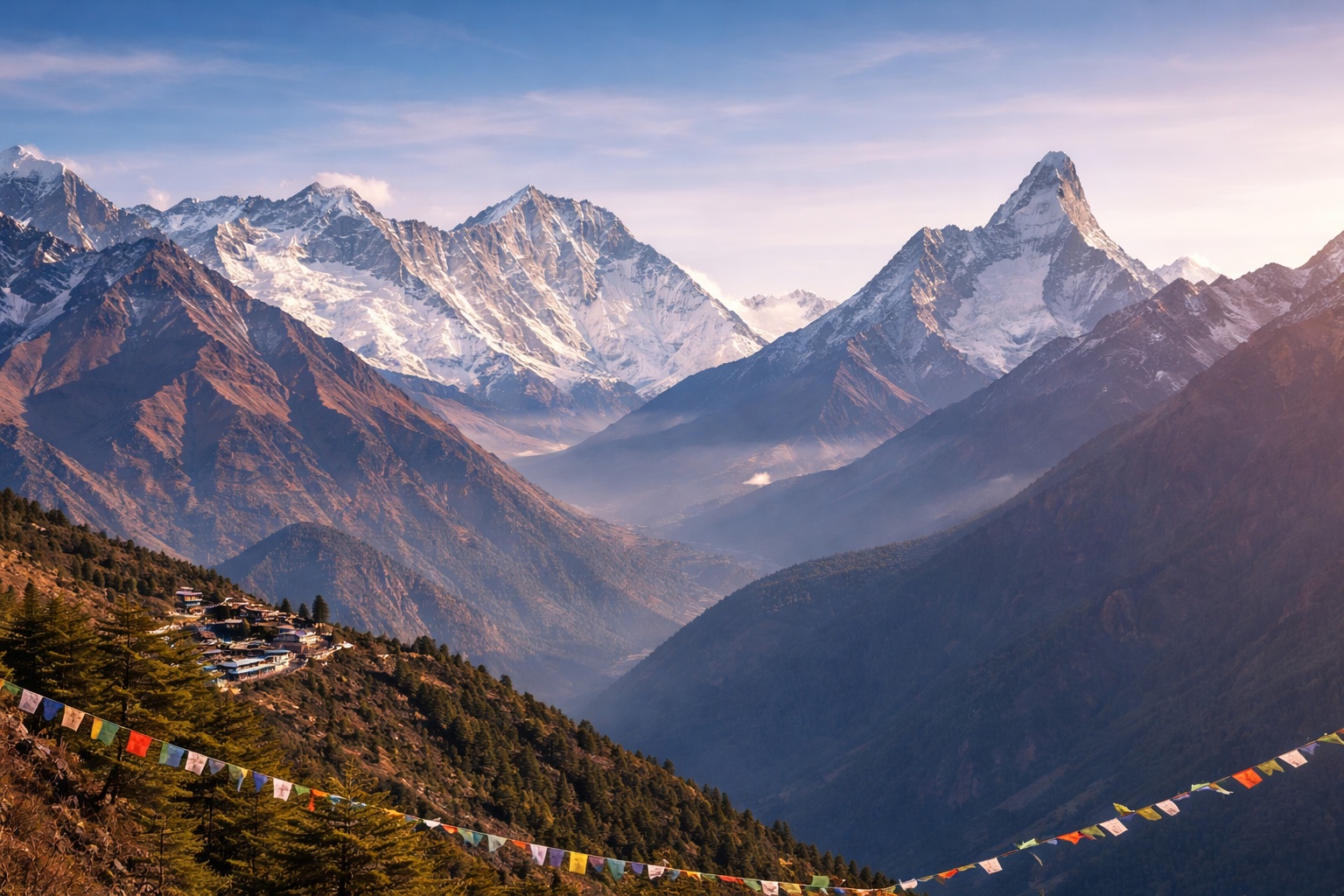
Autumn is widely considered the best season for Tibet, combining clear skies, stable temperatures, and excellent visibility for Everest and other Himalayan views from the Tibetan plateau. This is the busiest season for tourism, so booking permits and accommodation well in advance is recommended.
Winter (November to March)
Winter brings very cold temperatures and closes access to remote high-altitude destinations such as Namtso and Mount Kailash. Lhasa itself remains accessible and sees far fewer tourists, making this an appealing option for travellers solely interested in the city's monasteries and palaces.
Losar and Other Festival Timing
Losar, the Tibetan New Year, typically falls in February or March and offers a unique cultural experience, though accommodation and permits become scarce during this period given high domestic demand.
Choosing Your Season Based on Itinerary
Travellers focused solely on Lhasa's cultural sites have flexibility year-round, while those planning to visit Everest North Base Camp, Namtso, or Mount Kailash should target April through October when these routes remain open and accessible.
Frequently Asked Questions
Recent Posts