
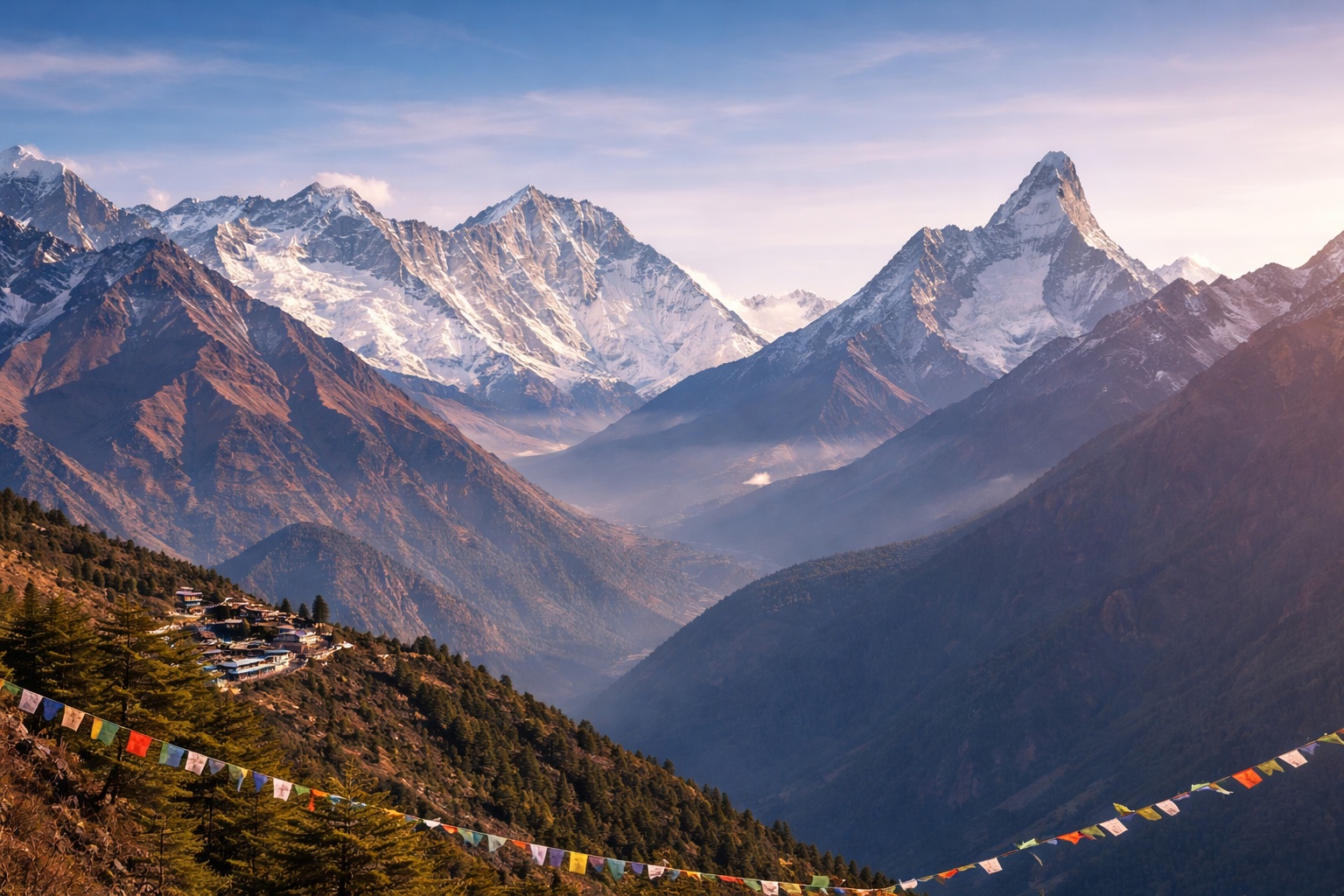
Tilije is a village on the Annapurna Circuit and Nar Phu valley trekking routes, a settlement reflecting Gurung and Tibetan Buddhist cultural influence typical of the upper Marshyangdi valley before the trail climbs toward Chame and the higher Manang valley beyond. Sitting amid terraced hillsides and traditional stone architecture, Tilije offers trekkers a scenic and culturally interesting stop within the middle stages of the classic Annapurna Circuit itinerary.
The village's position along the Marshyangdi river places it within a transitional zone between the warmer, more agricultural lower valley and the higher, more Tibetan-influenced terrain found further north, a shift visible in the changing architecture and cultural practices as trekkers continue toward Manang. Basic to comfortable teahouse accommodation in Tilije serves the steady flow of trekkers undertaking one of Nepal's most celebrated and complete long-distance trekking circuits.
For trekkers, Tilije represents one of the many rewarding stops found along the well-established Annapurna Circuit trail, offering genuine cultural interest and pleasant scenery without the more demanding altitude found further along the route toward Thorong La. The village's position also makes it a natural staging point for trekkers considering the additional detour into the restricted Nar Phu valley, one of the more adventurous and culturally rich extensions available anywhere in the wider Annapurna region.
Weather at this elevation can change quickly, and a flexible itinerary with a buffer day or two is generally recommended for anyone travelling through this part of the route.
Local guides with specific knowledge of this stretch of trail add real value, both for navigation and for the cultural context they can offer along the way.
A gradual, well-paced ascent through this section remains the best defence against altitude-related discomfort further along the route.
Basic but adequate teahouse facilities are typically available, offering a hot meal and a simple bed for trekkers passing through.
Facilities along this stretch of trail remain simple, and trekkers should carry sufficient cash, since cards are not accepted and ATMs do not exist beyond the larger towns.