
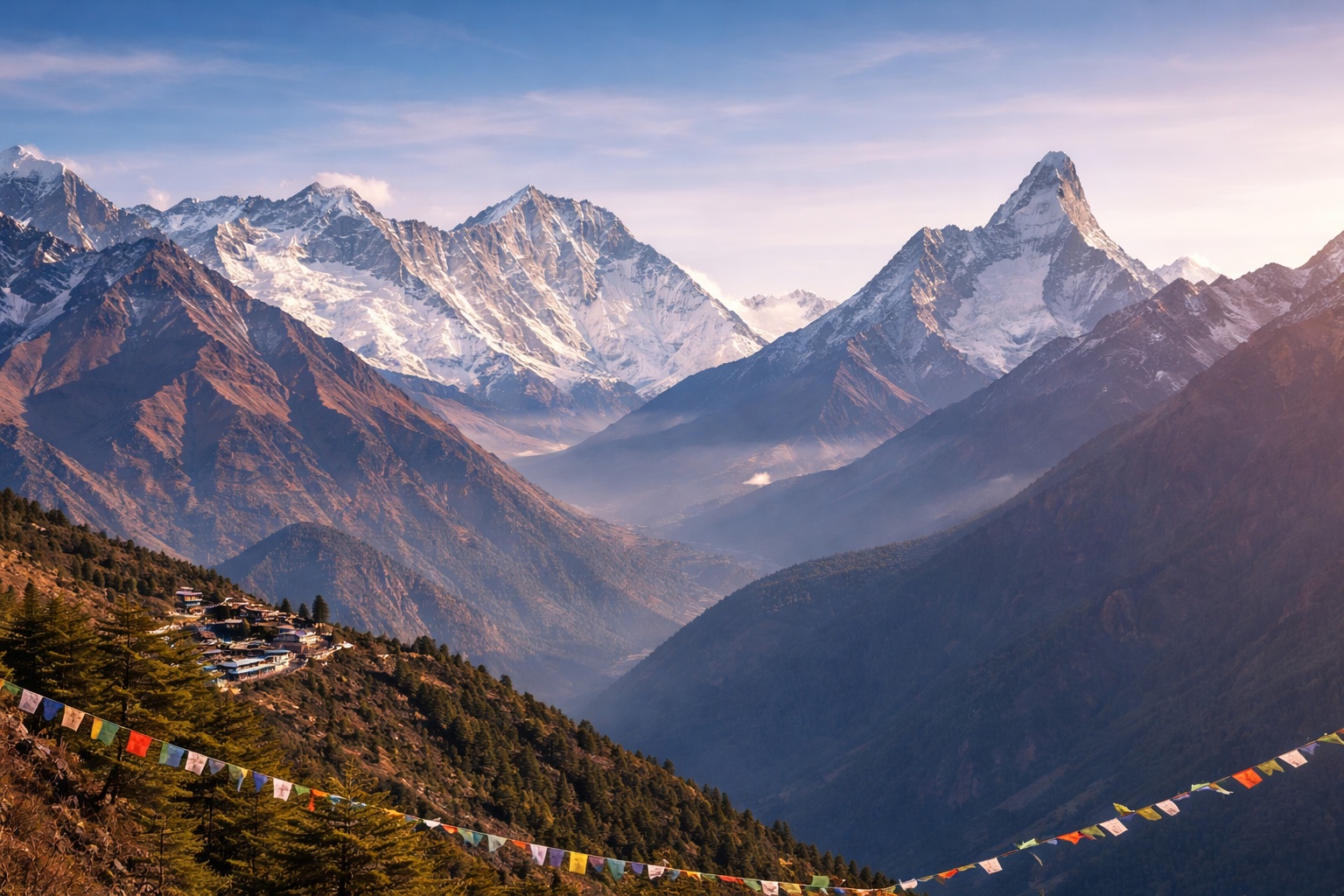
Tashing Ongma is a settlement referenced along trekking routes in eastern Nepal's Kanchenjunga and Makalu trekking corridors, one of the modest villages supporting the network of trails connecting remote base camps to the outside world. Reflecting the generally undeveloped character typical of this far eastern region, Tashing Ongma offers basic facilities serving the comparatively small number of trekkers making the considerable journey into these restricted areas each season.
The surrounding terrain typical of this part of Nepal combines steep, forested hillsides with the ethnic diversity of Rai and Limbu communities whose Kirat religious traditions distinguish the region culturally from Nepal's more commonly visited trekking areas further west. This cultural distinctiveness remains one of the understated rewards of trekking through this remote corner of the country.
For trekkers passing through, Tashing Ongma represents one of the many essential but modest waypoints sustaining the extensive trail network connecting eastern Nepal's remote high-altitude destinations to the wider world. The relative anonymity of stops like Tashing Ongma, compared to more famous named villages on Nepal's busier trekking circuits, reflects just how much of the country's trekking infrastructure remains genuinely off the beaten path, sustained by small communities largely unrecognised outside their own region.
Basic but adequate teahouse facilities are typically available, offering a hot meal and a simple bed for trekkers passing through.
Facilities along this stretch of trail remain simple, and trekkers should carry sufficient cash, since cards are not accepted and ATMs do not exist beyond the larger towns.
Mobile signal in the area is patchy at best, and travellers should not rely on constant connectivity once they are this far into the trail network.
Weather at this elevation can change quickly, and a flexible itinerary with a buffer day or two is generally recommended for anyone travelling through this part of the route.
Local guides with specific knowledge of this stretch of trail add real value, both for navigation and for the cultural context they can offer along the way.