
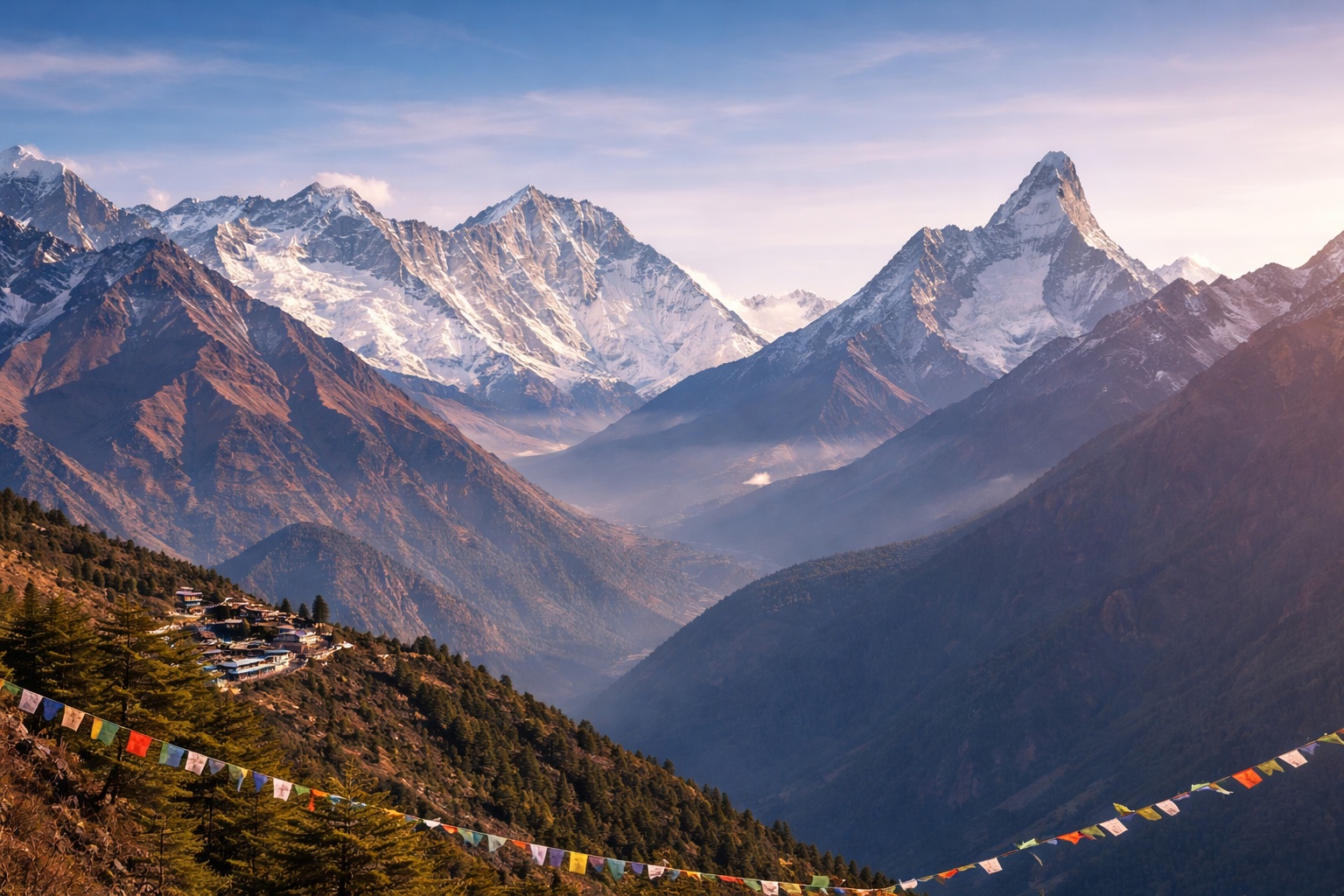
Siding Village is a settlement on the Tamang Heritage Trail in the Langtang region, known for its traditional Tamang culture, hot springs nearby, and relatively gentle trekking terrain compared to the higher, more demanding routes further into the Langtang valley itself. Sitting at a moderate altitude amid terraced hillsides, Siding reflects the settled agricultural character and strong Tamang Buddhist heritage that defines this less-visited alternative to the main Langtang trekking route.
The village's traditional stone houses, prayer flags, and small monasteries reflect centuries of Tamang cultural continuity, and local homestay programmes in Siding and neighbouring villages have increasingly allowed trekkers a genuine, direct experience of rural Tamang life, an opportunity for cultural exchange rarely available on Nepal's busier trekking circuits. This community-based tourism model has become an important source of income for villages along the Tamang Heritage Trail.
For trekkers seeking a shorter, culturally rich alternative to the higher-altitude Langtang Valley trek itself, Siding Village and the wider Tamang Heritage Trail offer a rewarding combination of traditional village life, moderate walking, and access to natural hot springs for post-trek relaxation. The relative gentleness of this route, achievable in a shorter timeframe than a full Langtang Valley trek, has made it an increasingly popular choice for travellers wanting genuine cultural immersion without the altitude demands of higher treks.
Facilities along this stretch of trail remain simple, and trekkers should carry sufficient cash, since cards are not accepted and ATMs do not exist beyond the larger towns.
Mobile signal in the area is patchy at best, and travellers should not rely on constant connectivity once they are this far into the trail network.
Weather at this elevation can change quickly, and a flexible itinerary with a buffer day or two is generally recommended for anyone travelling through this part of the route.
Local guides with specific knowledge of this stretch of trail add real value, both for navigation and for the cultural context they can offer along the way.