
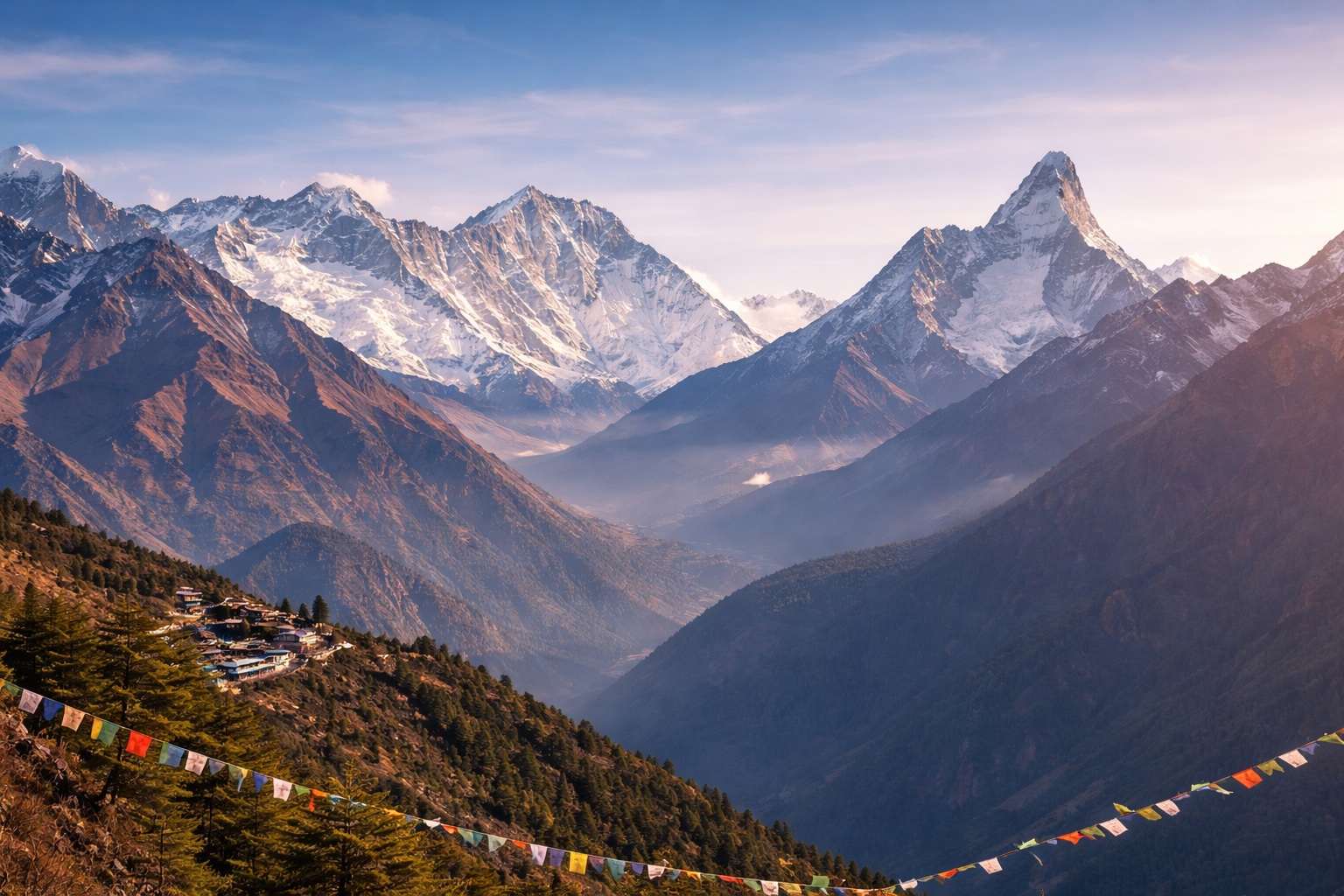
Sele La Base Camp is a staging point below Sele La, one of the technical passes crossed on extended Kanchenjunga and eastern Nepal trekking circuits, sitting at high altitude in stark, exposed terrain typical of this remote region. The camp serves trekkers preparing for a demanding crossing that links different valleys within the eastern trekking network, offering a route variation for those undertaking longer, more adventurous itineraries in this comparatively undeveloped part of Nepal.
Facilities at Sele La Base Camp are basic, reflecting the general remoteness of this trekking corridor, and trekkers typically require the support of an experienced local guide or crew familiar with current trail and weather conditions given the technical demands of the crossing itself. The surrounding high-altitude landscape offers dramatic views across a genuinely remote stretch of the eastern Himalaya, rarely seen by trekkers outside this specific circuit.
Because of the difficulty and remoteness involved, only a small proportion of trekkers visiting the wider Kanchenjunga region attempt the Sele La crossing, most choosing simpler out-and-back routes to the main base camps instead. For those with the time, experience, and proper logistical support to undertake it, however, Sele La and its base camp offer a genuinely adventurous addition to an already remote and rewarding trekking region, reinforcing eastern Nepal's reputation as one of the country's last great frontiers for genuine wilderness trekking.
Basic but adequate teahouse facilities are typically available, offering a hot meal and a simple bed for trekkers passing through.
Facilities along this stretch of trail remain simple, and trekkers should carry sufficient cash, since cards are not accepted and ATMs do not exist beyond the larger towns.
Mobile signal in the area is patchy at best, and travellers should not rely on constant connectivity once they are this far into the trail network.
Weather at this elevation can change quickly, and a flexible itinerary with a buffer day or two is generally recommended for anyone travelling through this part of the route.