
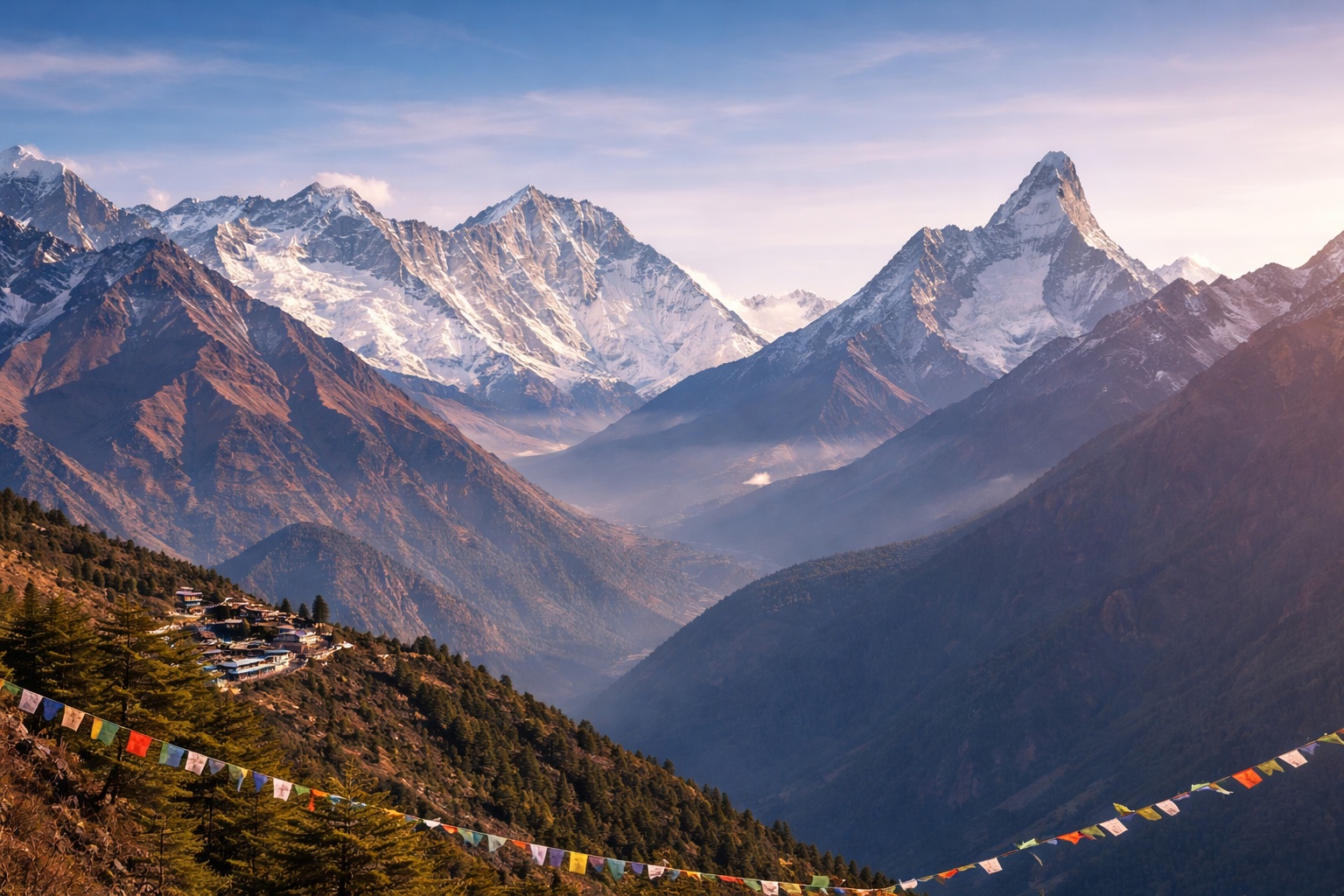
The Rara National Park headquarters, near the shores of Rara Lake in Nepal's remote far-western region, serves as the administrative and information centre for the park established to protect the country's largest lake and its surrounding pine and juniper forest ecosystem. Trekkers arriving at Rara typically register here, and staff can provide current information on wildlife sightings, trail conditions, and the park's conservation efforts within this comparatively little-visited protected area.
The park is home to a range of wildlife including Himalayan black bear, musk deer, and numerous bird species, and the headquarters plays a key role in monitoring and protecting these populations within a landscape that has remained relatively undisturbed compared to more heavily trafficked trekking regions elsewhere in Nepal. Basic visitor facilities at the headquarters reflect the park's remote location, days of trekking or a remote flight away from the nearest major town.
For trekkers who make the considerable journey to reach Rara, a stop at the national park headquarters provides useful context on the ecology and conservation challenges facing this unique high-altitude lake ecosystem, adding a further layer of understanding to what is already one of Nepal's most visually striking and least developed natural destinations. The relative obscurity of Rara National Park, despite protecting the country's largest lake, is a reminder of how much of Nepal's natural heritage remains genuinely off the beaten path.
A gradual, well-paced ascent through this section remains the best defence against altitude-related discomfort further along the route.
Basic but adequate teahouse facilities are typically available, offering a hot meal and a simple bed for trekkers passing through.
Facilities along this stretch of trail remain simple, and trekkers should carry sufficient cash, since cards are not accepted and ATMs do not exist beyond the larger towns.
Mobile signal in the area is patchy at best, and travellers should not rely on constant connectivity once they are this far into the trail network.
Weather at this elevation can change quickly, and a flexible itinerary with a buffer day or two is generally recommended for anyone travelling through this part of the route.