
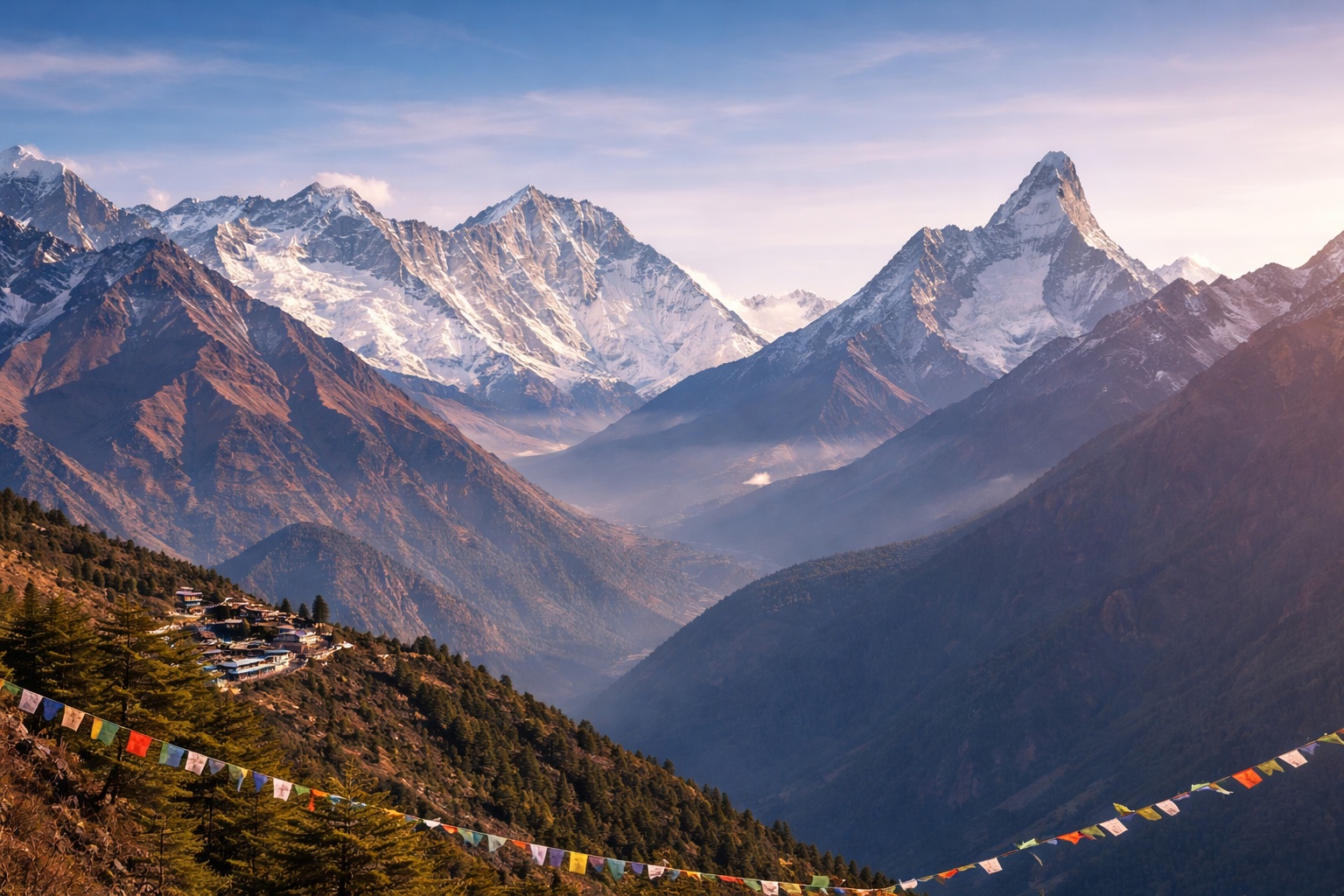
Ramche is a settlement found in more than one Nepal trekking region, most notably as a stop on the Langtang region's Gosaikunda route and also referenced within the eastern Kanchenjunga trekking corridor, reflecting how common certain place names become across different parts of rural Nepal. In its Langtang region context, Ramche typically serves as a stop within the network of trails connecting the Gosaikunda holy lakes to surrounding valleys, sitting at a significant altitude amid alpine terrain.
The settlement's facilities are generally basic, reflecting its role as a functional trail stop rather than a major destination in its own right, serving trekkers pacing their journey through this demanding high-altitude terrain. Views from the areas surrounding Ramche typically extend across dramatic Langtang region peaks and valleys, a fitting complement to the sacred lakes and high passes that define this particular trekking corridor.
For trekkers passing through, Ramche represents one of the many modest but essential waypoints that together make up Nepal's extensive network of trekking trails, offering basic accommodation and a chance to rest before continuing toward the next significant destination on the route. The relative anonymity of stops like Ramche, compared to more famous named villages, is itself a reminder of just how extensive and interconnected Nepal's trekking infrastructure has become over decades of gradual development.
Mobile signal in the area is patchy at best, and travellers should not rely on constant connectivity once they are this far into the trail network.
Weather at this elevation can change quickly, and a flexible itinerary with a buffer day or two is generally recommended for anyone travelling through this part of the route.
Local guides with specific knowledge of this stretch of trail add real value, both for navigation and for the cultural context they can offer along the way.
A gradual, well-paced ascent through this section remains the best defence against altitude-related discomfort further along the route.
Basic but adequate teahouse facilities are typically available, offering a hot meal and a simple bed for trekkers passing through.