
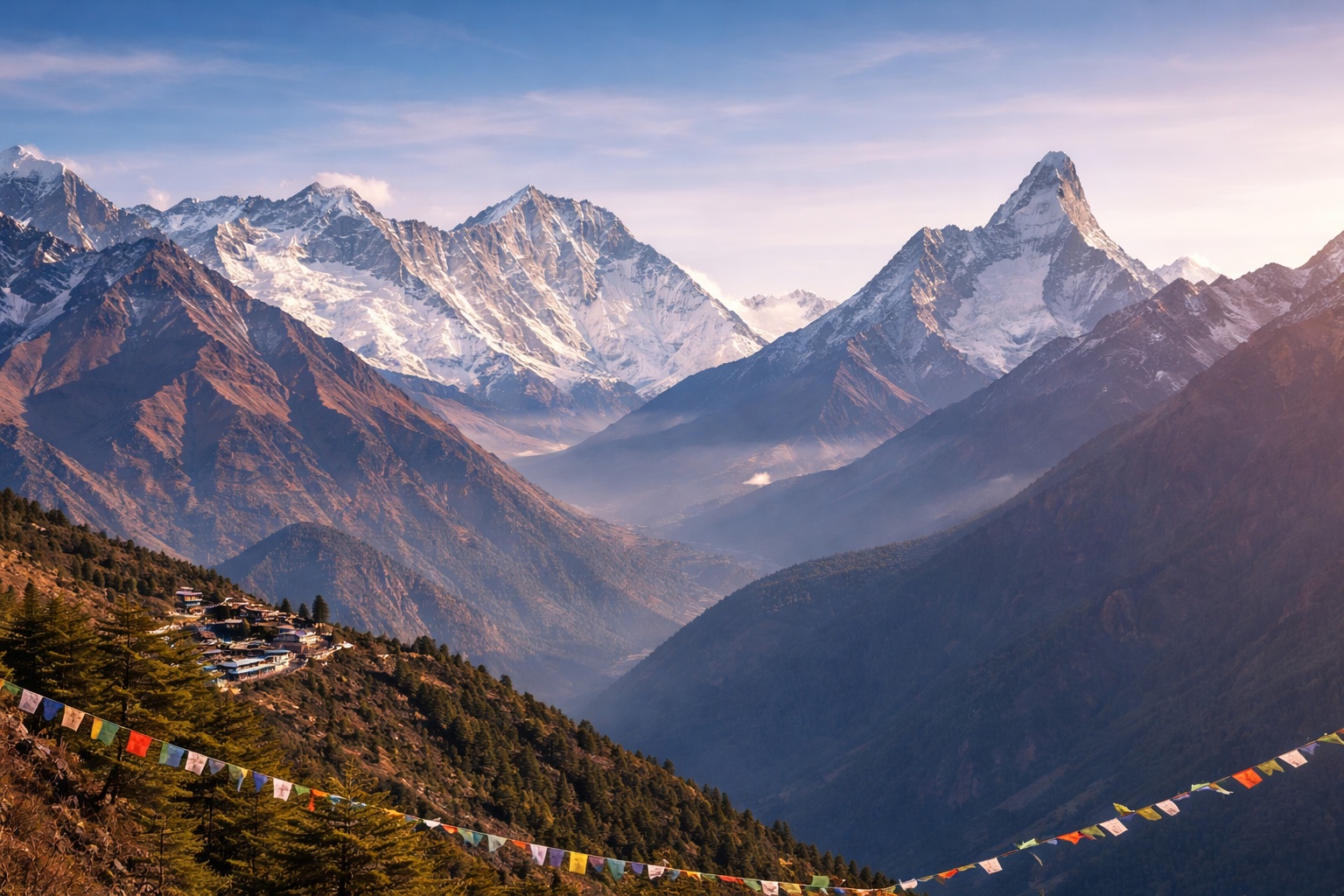
Pothana is a small village on the Mardi Himal and Australian Camp trekking routes near Pokhara, set on a ridge offering early views toward the Annapurna range for trekkers beginning one of the region's shorter, more accessible treks. Sitting at a moderate altitude within a comfortable day or two's walk from the Pokhara valley, Pothana serves as a popular first overnight stop for trekkers heading toward the increasingly popular Mardi Himal viewpoint trek.
The village's position amid rhododendron forest and terraced hillsides typical of the Annapurna foothills offers a gentle, scenic introduction to trekking in this region, without the altitude or distance demands of longer routes like the full Annapurna Circuit or Annapurna Base Camp trek. Basic teahouses in Pothana cater to the steady flow of trekkers using this route, many undertaking treks of a week or less given their proximity to Pokhara.
For trekkers with limited time who still want a genuine taste of Annapurna region scenery and Gurung mountain culture, Pothana and the wider Mardi Himal or Australian Camp routes offer an accessible and rewarding option, achievable without the flights or lengthy approach walks required for treks further from Pokhara. The relatively gentle character of this trekking corridor, combined with excellent mountain views for relatively modest effort, has made it an increasingly popular choice among both first-time trekkers and returning visitors seeking a shorter Himalayan experience.
Mobile signal in the area is patchy at best, and travellers should not rely on constant connectivity once they are this far into the trail network.
Weather at this elevation can change quickly, and a flexible itinerary with a buffer day or two is generally recommended for anyone travelling through this part of the route.
Local guides with specific knowledge of this stretch of trail add real value, both for navigation and for the cultural context they can offer along the way.
A gradual, well-paced ascent through this section remains the best defence against altitude-related discomfort further along the route.