
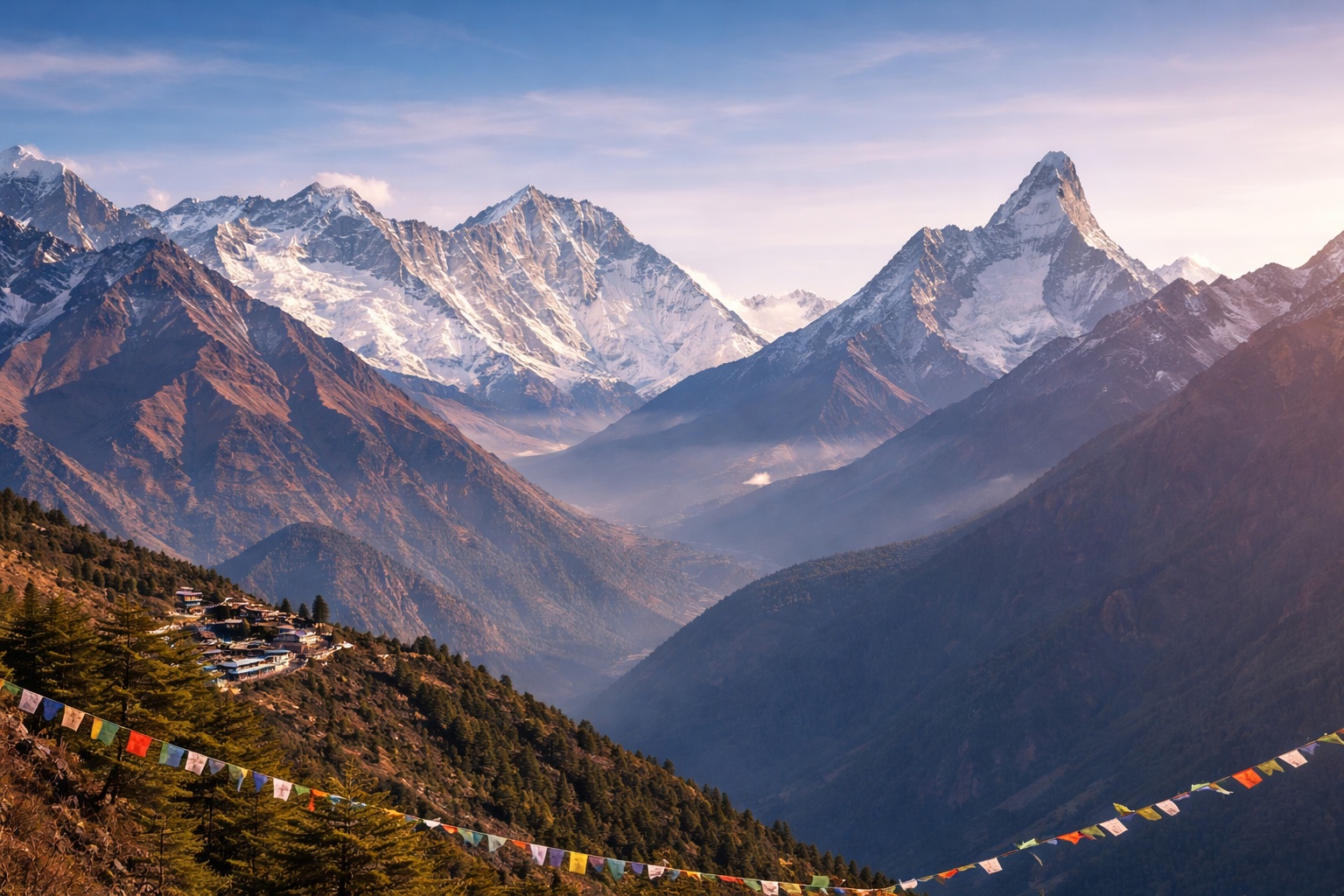
Larkya Bazaar, also known as Dharmasala, is the last stop before the Larkya La pass crossing on the Manaslu Circuit, a basic high-altitude settlement used for a final acclimatisation night before the demanding, summit-day-style push over the 5,160 metre pass. Despite its name suggesting a marketplace, Dharmasala is in fact a simple, sparse camp with only the most basic facilities, reflecting its function purely as a staging point rather than a genuine village.
Conditions here are cold and exposed, well above the treeline in stark, high-altitude terrain, and most trekkers describe the night at Dharmasala as physically uncomfortable, sleep often disrupted by altitude and the anticipation of the demanding crossing ahead. Given the complete lack of alternative accommodation at this altitude, however, virtually every trekker undertaking the Manaslu Circuit passes through and overnights here before attempting the pass.
The crossing of Larkya La the following morning typically begins well before dawn, aiming to complete the technical, weather-exposed sections of the pass before winds and cloud build later in the day. Views from Dharmasala and the approach to the pass extend across a landscape of glaciers and high peaks, a genuinely dramatic setting that underscores the seriousness and reward of what is widely considered one of the most demanding single days on any standard Nepal trekking route.
Weather at this elevation can change quickly, and a flexible itinerary with a buffer day or two is generally recommended for anyone travelling through this part of the route.
Local guides with specific knowledge of this stretch of trail add real value, both for navigation and for the cultural context they can offer along the way.
A gradual, well-paced ascent through this section remains the best defence against altitude-related discomfort further along the route.
Basic but adequate teahouse facilities are typically available, offering a hot meal and a simple bed for trekkers passing through.
Facilities along this stretch of trail remain simple, and trekkers should carry sufficient cash, since cards are not accepted and ATMs do not exist beyond the larger towns.