
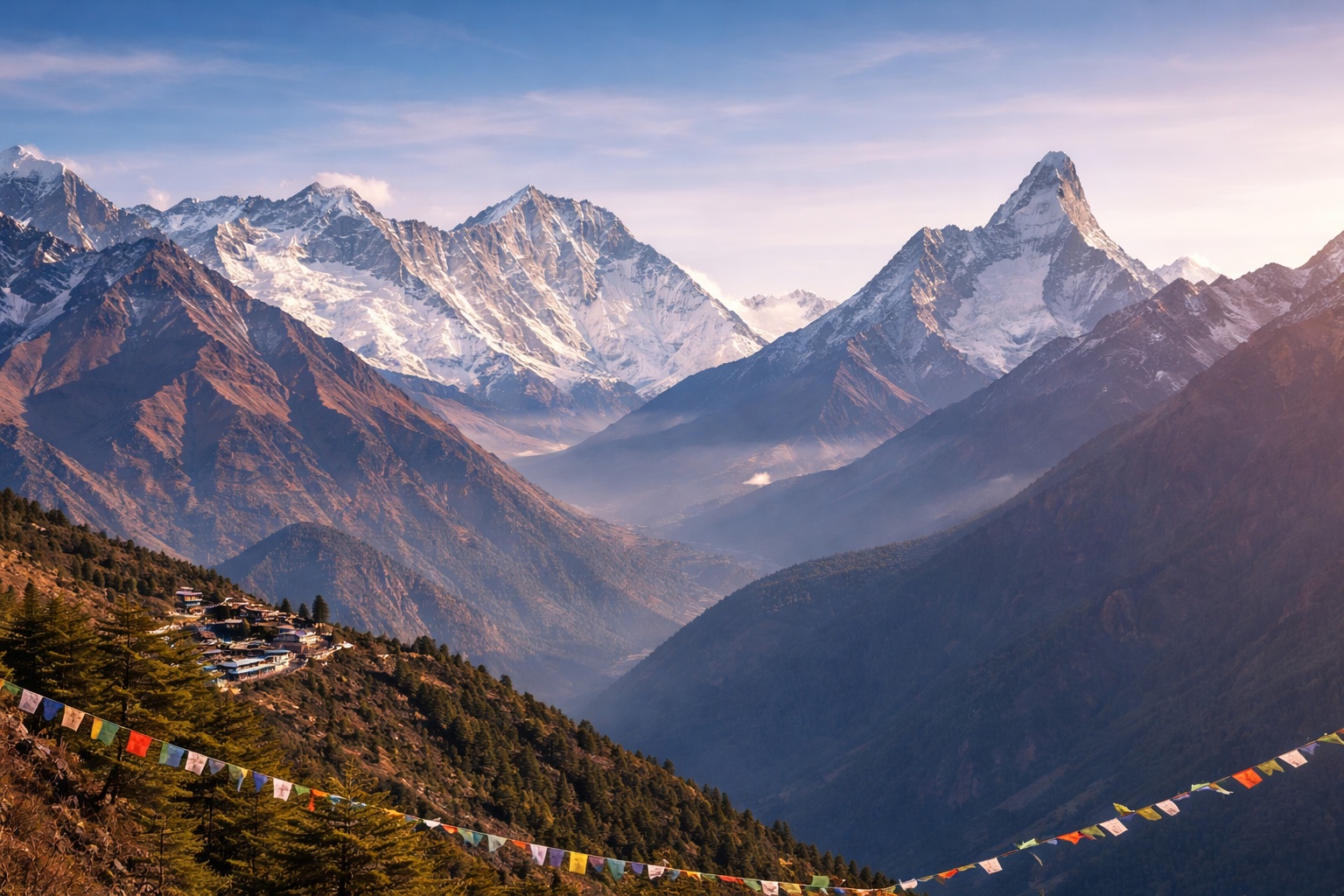
Laprak is a Gurung village on the Ruby Valley trek near Barpak, also significantly affected by the devastating 2015 earthquake and rebuilt in the years since, known for its traditional architecture and dramatic terraced hillside setting in the Ganesh Himal foothills. Like its neighbour Barpak, Laprak has become a place where trekkers can witness both genuine Gurung mountain culture and a powerful story of community resilience and rebuilding following catastrophic loss.
The village's terraced fields cascade down a steep hillside in a pattern typical of Gurung settlements throughout this part of Nepal, and its position within the Ganesh Himal foothills offers views toward peaks considerably less visited than those found in the more famous Everest or Annapurna regions. Laprak's Gurung community has a long tradition of Gurkha military service, a pattern common across many hill villages in this part of the country, and this history remains an important part of local identity.
Reconstruction since 2015 has introduced earthquake-resistant building techniques alongside efforts to retain elements of traditional Gurung architecture, and visitors today will see a village in an ongoing process of rebuilding and renewal. For trekkers on the quieter Ruby Valley route, Laprak offers a genuine, unhurried village experience combined with a meaningful opportunity to understand the human impact of Nepal's 2015 earthquake and the remarkable community-led recovery that has followed in its wake.
Mobile signal in the area is patchy at best, and travellers should not rely on constant connectivity once they are this far into the trail network.
Weather at this elevation can change quickly, and a flexible itinerary with a buffer day or two is generally recommended for anyone travelling through this part of the route.
Local guides with specific knowledge of this stretch of trail add real value, both for navigation and for the cultural context they can offer along the way.
A gradual, well-paced ascent through this section remains the best defence against altitude-related discomfort further along the route.