
Gosaikunda is a sacred alpine lake at over 4,300 metres in the Langtang region, one of the holiest Hindu pilgrimage sites in Nepal, believed according to tradition to have been created by Lord Shiva when he struck the ground with his trident to produce water after consuming poison during the churning of the cosmic ocean. The lake and its surrounding cluster of smaller lakes draw thousands of Hindu pilgrims each August during the Janai Purnima festival, when devotees bathe in its cold waters believing it cleanses sin and grants spiritual merit.
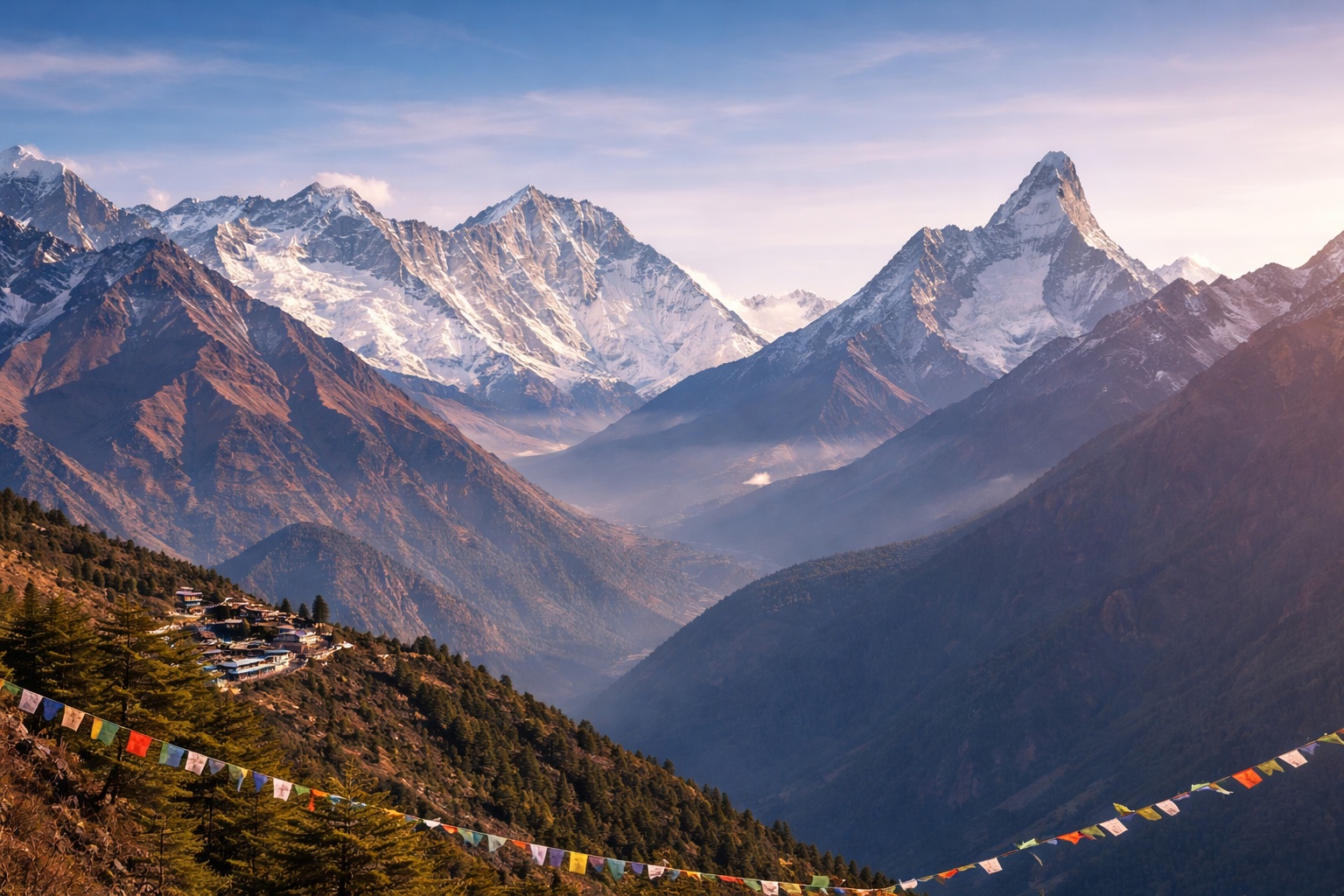
Set within a dramatic high-alpine landscape of bare rock and scree, framed by the peaks of the Langtang and Ganesh Himal ranges, Gosaikunda's deep blue-green water takes on a striking clarity that reflects the surrounding mountains on calm days. Trekkers reach the lake via routes from either Dhunche or as an extension from the Langtang Valley trek, with a night at Chandanbari or a similar acclimatisation stop typically built into the itinerary given the significant altitude gain required.
Beyond its religious significance, Gosaikunda is valued by trekkers simply for the drama of its setting, a genuinely remote and starkly beautiful high-altitude lake reached only after sustained effort through forest and increasingly barren terrain. The trek can be extended beyond the lake itself via the Lauribina La pass toward Helambu, offering a longer combined itinerary for trekkers with additional time who want to link this sacred site with the broader Langtang and Helambu trekking network.
Basic but adequate teahouse facilities are typically available, offering a hot meal and a simple bed for trekkers passing through.
Facilities along this stretch of trail remain simple, and trekkers should carry sufficient cash, since cards are not accepted and ATMs do not exist beyond the larger towns.
Mobile signal in the area is patchy at best, and travellers should not rely on constant connectivity once they are this far into the trail network.
Weather at this elevation can change quickly, and a flexible itinerary with a buffer day or two is generally recommended for anyone travelling through this part of the route.