
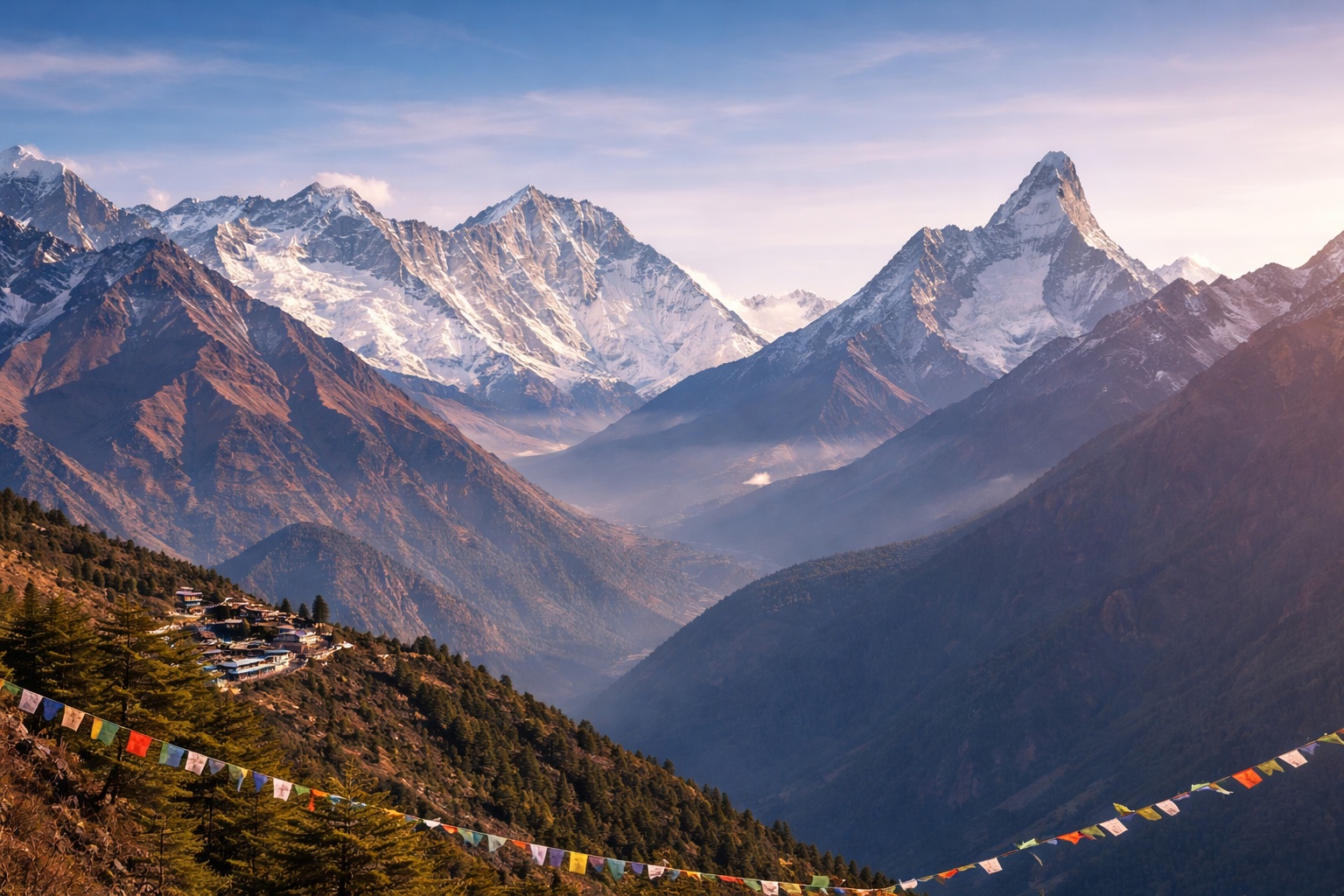
Ganja La High Camp is the camping point below the technical 5,160 metre Ganja La pass, the crossing that links the Langtang Valley to the Helambu region on one of Nepal's more demanding combination treks. Because no teahouse infrastructure exists at this altitude, reaching the pass requires camping support, and High Camp serves as the essential staging point where trekkers rest and prepare before the crossing itself.
The terrain surrounding High Camp is stark and exposed, well above the treeline in terrain that can hold snow and ice even outside the coldest months, and the crossing of Ganja La the following day is considered one of the more technical single stages found on any standard Langtang region trekking route. Proper acclimatisation before reaching this point is essential, and itineraries typically build in the necessary rest days through the Langtang Valley section of the trek before attempting the pass.
Views from High Camp, on clear days, extend across the Langtang range and toward the Himalayan peaks separating this valley from Tibet to the north, a genuinely dramatic setting that rewards the extra effort and logistical complexity required to reach it. For trekkers who have completed the standard Langtang Valley trek and want a more adventurous, technically engaging continuation toward Helambu, the Ganja La crossing and its associated High Camp represent one of the most rewarding extensions available in this part of Nepal.
Mobile signal in the area is patchy at best, and travellers should not rely on constant connectivity once they are this far into the trail network.
Weather at this elevation can change quickly, and a flexible itinerary with a buffer day or two is generally recommended for anyone travelling through this part of the route.
Local guides with specific knowledge of this stretch of trail add real value, both for navigation and for the cultural context they can offer along the way.
A gradual, well-paced ascent through this section remains the best defence against altitude-related discomfort further along the route.