
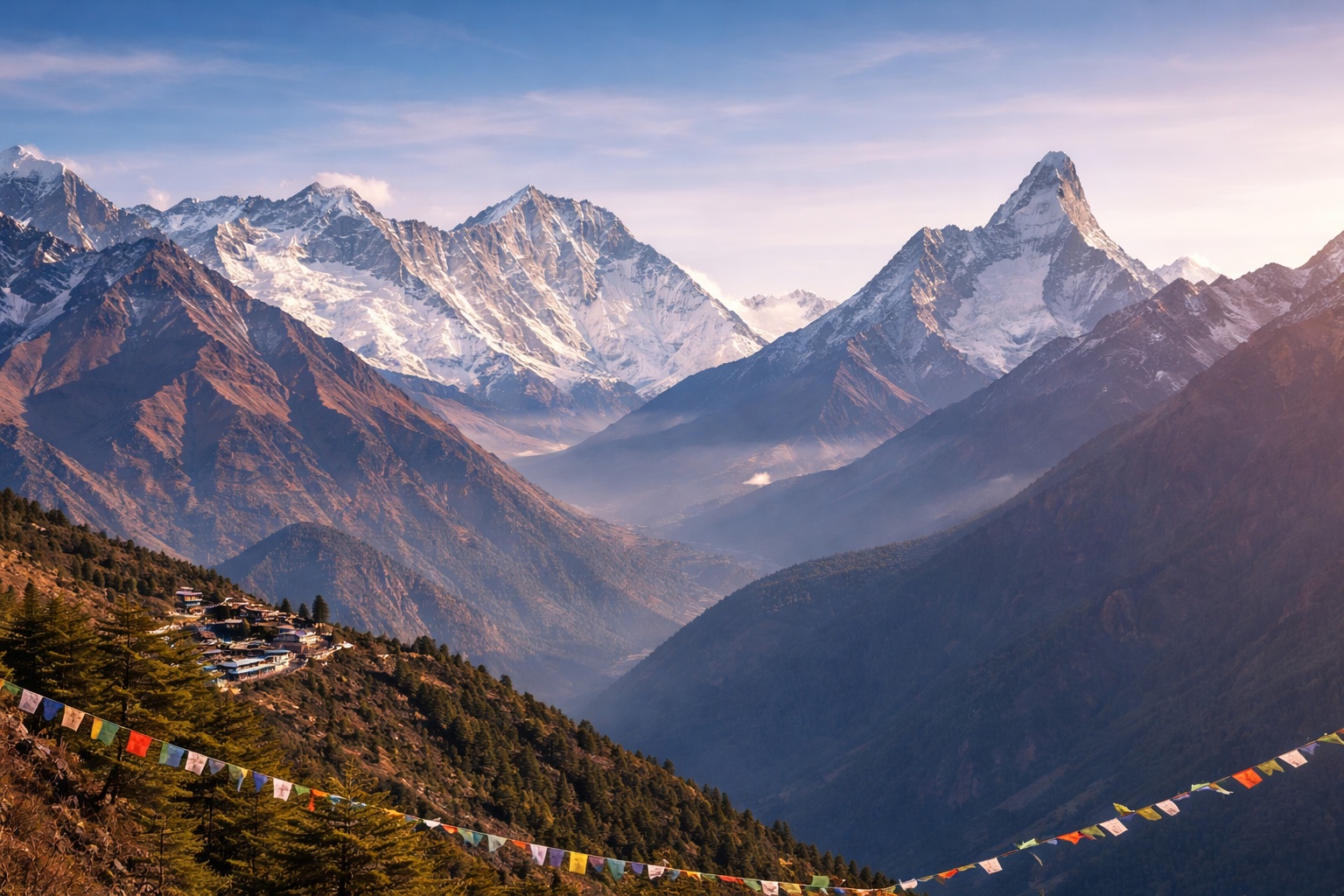
Dampus Pass, also known locally as Dhampu Danda, is one of the earlier high points on the classic approach to Mera Peak, providing trekkers with their first proper taste of high-altitude terrain after the forested lower stages of the trek around Chutanga. Crossing this pass marks a clear transition from the rhododendron and pine forest of the lower Hinku approach into more exposed, alpine terrain, with expanding views of the surrounding peaks as the trail gains height.
The pass itself, while not among the most technically demanding crossings on the Mera Peak route, still requires a full day of sustained climbing and descent, testing the fitness and acclimatisation of trekkers relatively early in the itinerary before the more serious challenges of the upper valley and the peak itself come into play. Weather at this altitude can shift quickly, and clear mornings followed by cloud building through the afternoon are a common pattern, making an early start advisable for anyone crossing the pass.
From the high point of Dampus Pass, trekkers get some of the first genuine mountain panoramas of the trip, a preview of the scale and drama that await further into the Hinku valley and eventually at the summit of Mera Peak itself, at 6,476 metres the highest trekking peak in Nepal. The relative remoteness of this route, well away from the main Everest Base Camp trail, means the pass and the surrounding terrain are experienced by only a modest number of trekkers each season compared to the far busier corridors elsewhere in the Khumbu.
Local guides with specific knowledge of this stretch of trail add real value, both for navigation and for the cultural context they can offer along the way.
A gradual, well-paced ascent through this section remains the best defence against altitude-related discomfort further along the route.
Basic but adequate teahouse facilities are typically available, offering a hot meal and a simple bed for trekkers passing through.