
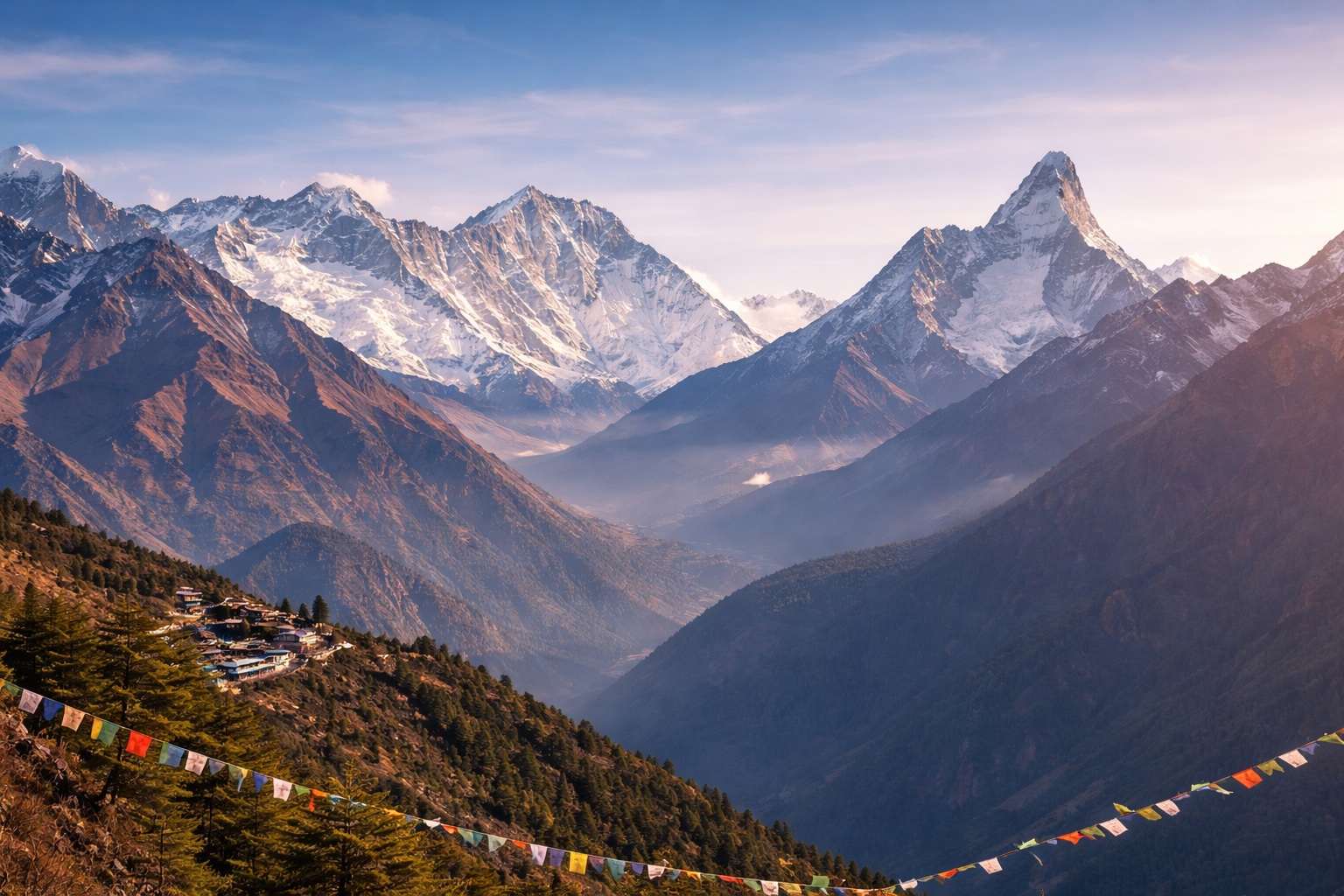
Barpak is a Gurung hill village in the Ganesh Himal foothills that became internationally known for tragic reasons: it was the epicentre of the devastating magnitude 7.8 earthquake that struck Nepal in April 2015, an event that killed thousands across the country and left Barpak itself almost entirely destroyed. In the decade since, the village has been rebuilt, and today it stands as both a genuine mountain destination and a quietly powerful place to witness a community's recovery from catastrophe.
Set on a steep hillside with views across the Ganesh Himal range, Barpak was historically known for its distinctive stone and timber Gurung architecture, terraced fields, and strong tradition of Gurkha military service, a pattern repeated across many hill villages in this part of Nepal. The rebuilt village incorporates earthquake-resistant construction techniques learned in the aftermath of 2015, alongside efforts to preserve elements of the traditional building style that gave Barpak its original character.
Today Barpak is the cultural and logistical centrepiece of the Ruby Valley trek, a quieter alternative route through the Ganesh Himal foothills that takes its name from small-scale ruby mining activity found in the surrounding hills. Trekkers who make the journey here, typically via a long road transfer from Kathmandu to Arughat followed by several days of walking, are rewarded with a genuine hill village experience far removed from Nepal's more commercialised trekking corridors, along with the chance to speak with residents about the earthquake and the remarkable rebuilding effort that followed it. The village's recovery has become something of a symbol of Nepali resilience, and trekking through Barpak today directly supports the local economy that is still working to fully restore itself.
Visitors today will notice a mix of newly constructed concrete buildings alongside restored traditional stone houses, a visible timeline of the village's reconstruction, and many residents are willing to share their own memories of the earthquake and the years of rebuilding that followed, adding a layer of lived history to what is already a rewarding trekking destination.