
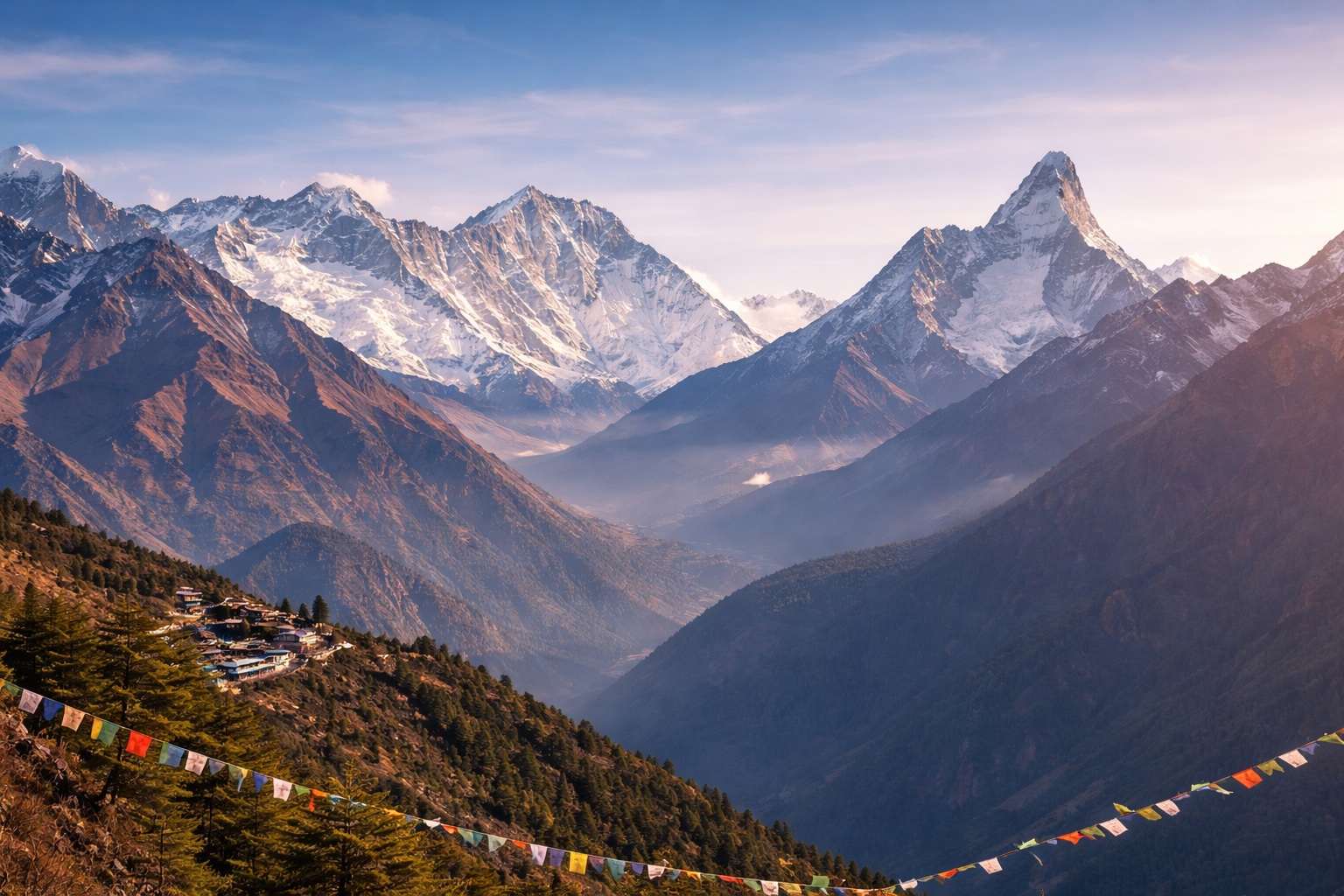
Thorong Phedi is the final staging point before the crossing of Thorong La, the 5,416 metre pass that marks the physical and psychological high point of the Annapurna Circuit, set at the literal base of the pass itself in stark, exposed high-altitude terrain. Nearly every trekker undertaking the circuit spends a night here, or at the slightly higher High Camp option nearby, in preparation for what is widely regarded as the most demanding single day of the entire trek.
Basic teahouse accommodation at Phedi is often crowded during peak trekking season, given that virtually all circuit trekkers pass through this single bottleneck point before attempting the pass, and an early departure, typically well before dawn, is standard practice to complete the crossing before afternoon winds and weather deteriorate. The altitude and cold conditions at Phedi make for a genuinely uncomfortable night for many trekkers, sleep often disrupted by anticipation and the physical effects of the elevation already reached.
The crossing of Thorong La the following day involves a long, demanding ascent followed by an equally long descent toward Muktinath, a physically serious undertaking that requires proper acclimatisation built up over the preceding days in Manang and beyond. For trekkers, the night spent at Thorong Phedi represents the final preparation before the Annapurna Circuit's defining challenge, a moment of both apprehension and anticipation before one of the most celebrated single days available on any trek in the Nepal Himalaya.
Mobile signal in the area is patchy at best, and travellers should not rely on constant connectivity once they are this far into the trail network.
Weather at this elevation can change quickly, and a flexible itinerary with a buffer day or two is generally recommended for anyone travelling through this part of the route.
Local guides with specific knowledge of this stretch of trail add real value, both for navigation and for the cultural context they can offer along the way.
A gradual, well-paced ascent through this section remains the best defence against altitude-related discomfort further along the route.