
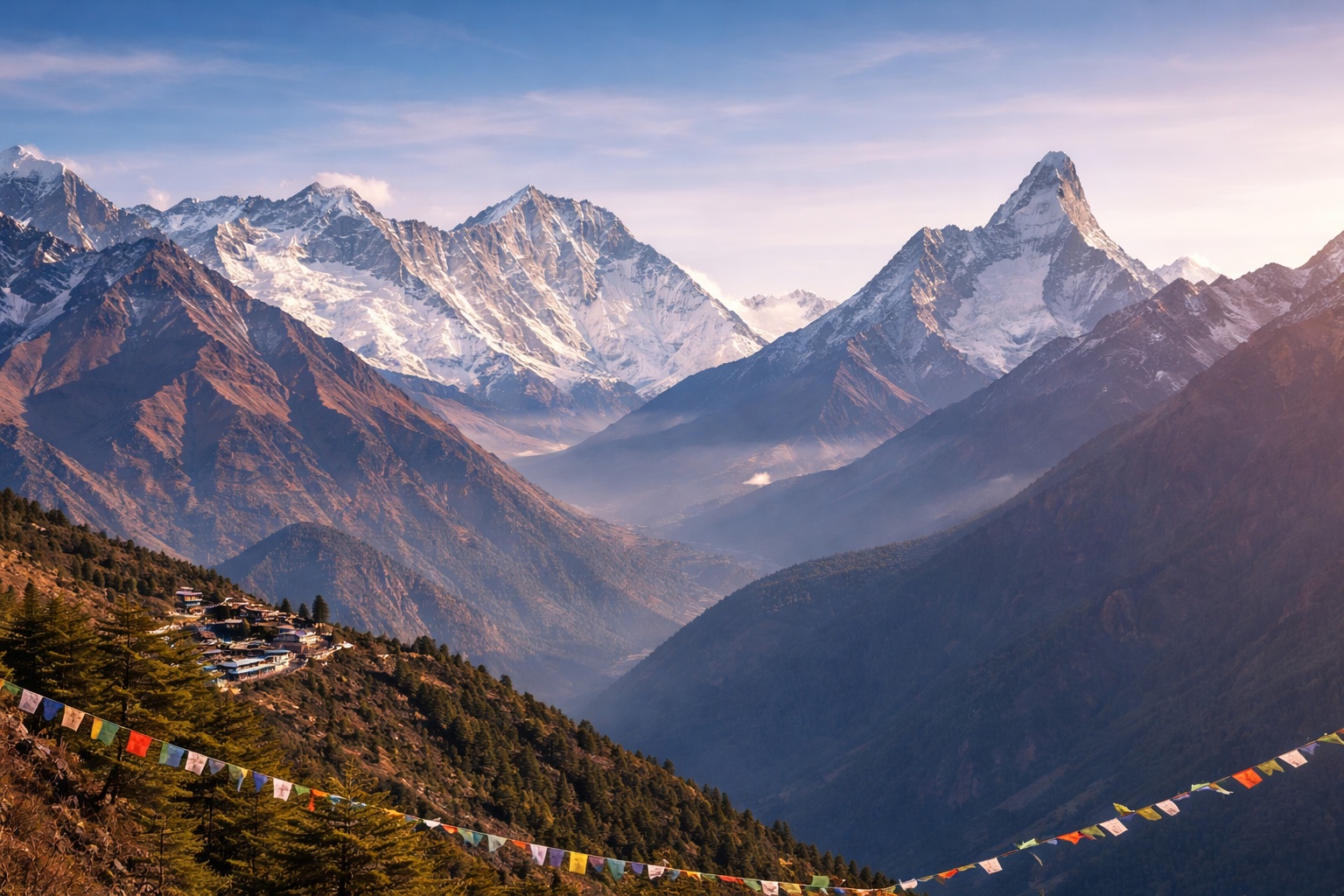
Tharepati Pass is a high-altitude crossing linking the Langtang region to the Helambu trekking circuit, offering trekkers a route to combine these two adjacent but distinct trekking areas within a single extended itinerary. Sitting well above the treeline in alpine terrain, the pass provides expansive views across both the Langtang range to the north and the middle hills of Helambu to the south, a fitting vantage point for a crossing that links two genuinely different trekking landscapes.
The trail approaching Tharepati Pass climbs steadily through rhododendron forest before emerging into open, exposed terrain near the pass itself, a transition that requires reasonable fitness and, depending on the season, awareness of potentially challenging weather conditions at this altitude. Trekkers crossing Tharepati typically do so as part of a longer combination itinerary, having already spent time in either the Langtang Valley or the Gosaikunda lakes area before continuing toward Helambu's gentler, lower-altitude villages.
For trekkers seeking a more adventurous and comprehensive exploration of the trekking regions north of Kathmandu, the crossing of Tharepati Pass represents a rewarding way to link Langtang and Helambu without needing to exit and re-enter via separate road access points. The genuine sense of accomplishment gained from this crossing, combined with the dramatic scenery visible from the pass itself, makes Tharepati a highlight for trekkers undertaking this less common but increasingly popular combination route.
Facilities along this stretch of trail remain simple, and trekkers should carry sufficient cash, since cards are not accepted and ATMs do not exist beyond the larger towns.
Mobile signal in the area is patchy at best, and travellers should not rely on constant connectivity once they are this far into the trail network.
Weather at this elevation can change quickly, and a flexible itinerary with a buffer day or two is generally recommended for anyone travelling through this part of the route.
Local guides with specific knowledge of this stretch of trail add real value, both for navigation and for the cultural context they can offer along the way.