
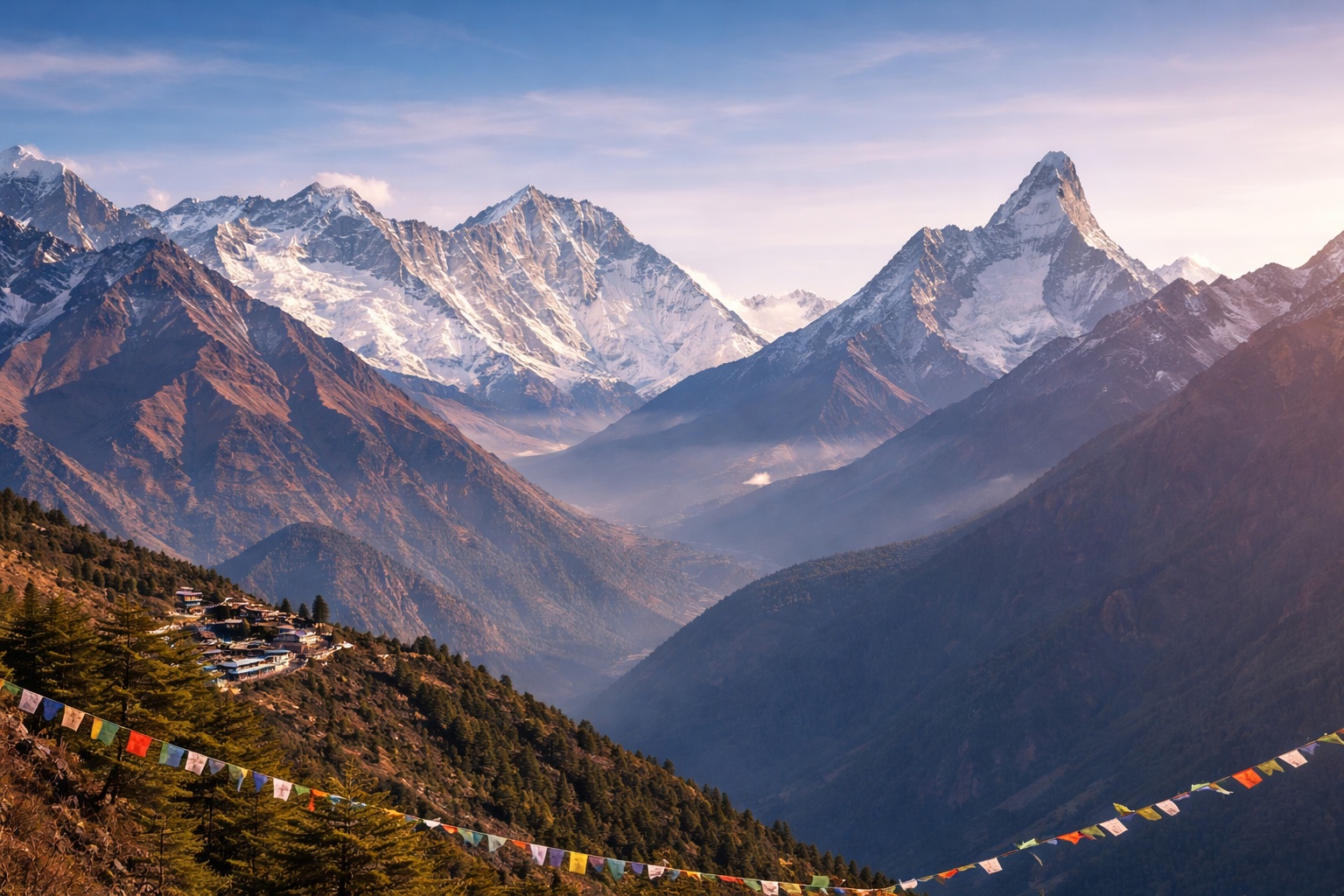
Tashi Lapcha High Camp is the staging point below Tashi Lapcha Pass, a technically demanding 5,755 metre crossing linking the Rolwaling valley to the Khumbu region near Thame, one of the most serious high-altitude passes found on any standard Nepal trekking route. Requiring glacier travel, rope work, and often the use of crampons and ice axes, the crossing from High Camp represents a genuine mountaineering challenge rather than a straightforward trekking day.
The camp itself sits in stark, glaciated terrain well above the treeline, and trekkers typically require the support of experienced guides with technical mountaineering skills given the difficulty and objective hazards involved in crossing Tashi Lapcha. Weather conditions at this altitude can change rapidly, and successful crossings depend heavily on stable conditions and a well-timed early start to complete the technical sections before the day's heat increases rockfall and crevasse risk on the glacier.
For trekkers linking the remote Rolwaling valley to the Khumbu via this route, Tashi Lapcha represents the physical and logistical climax of one of Nepal's most adventurous and technically demanding trekking combinations, connecting two spectacular but very differently characterised valleys. The relative rarity of this crossing, attempted by only a small number of well-prepared trekkers each season, reflects both its genuine difficulty and the exceptional reward of linking these two remarkable regions on foot.
Facilities along this stretch of trail remain simple, and trekkers should carry sufficient cash, since cards are not accepted and ATMs do not exist beyond the larger towns.
Mobile signal in the area is patchy at best, and travellers should not rely on constant connectivity once they are this far into the trail network.
Weather at this elevation can change quickly, and a flexible itinerary with a buffer day or two is generally recommended for anyone travelling through this part of the route.
Local guides with specific knowledge of this stretch of trail add real value, both for navigation and for the cultural context they can offer along the way.