
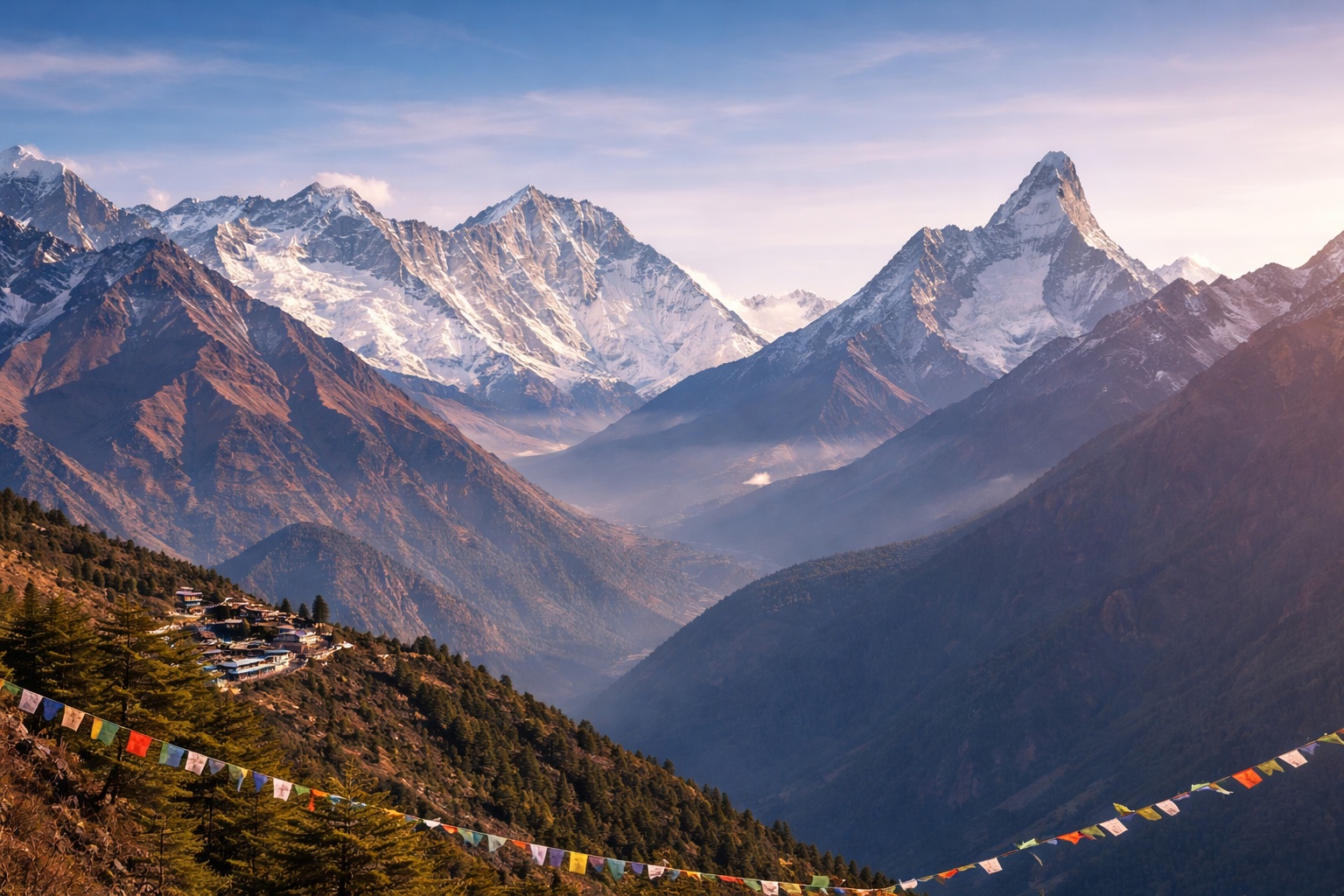
Swanta is a village in the Dolpo region, one of the settlements found along trekking routes linking the more accessible lower valleys of Lower Dolpo to the remote, restricted areas of Upper Dolpo further north. Sitting within a landscape defined by centuries of Bon and Tibetan Buddhist cultural heritage, Swanta reflects the settled agricultural character typical of villages found throughout this remote corner of western Nepal.
The village serves the relatively modest number of trekkers making their way through Dolpo's network of trails, a region that remains far less developed and visited than Nepal's more famous Everest and Annapurna trekking corridors, despite offering comparably dramatic high-altitude scenery and a genuinely distinct cultural experience shaped by historic isolation. Basic teahouse or homestay accommodation in Swanta reflects the modest but essential infrastructure supporting the small but growing number of trekkers exploring this region.
For trekkers travelling through Dolpo, Swanta represents one of the many quietly significant stops that together sustain this remote region's trail network, offering a genuine glimpse of rural Himalayan life largely untouched by the tourism development found elsewhere in Nepal. The profound sense of remoteness found throughout Dolpo, including at modest stops like Swanta, remains one of the primary reasons experienced trekkers continue to seek out this still relatively undiscovered part of the country.
Mobile signal in the area is patchy at best, and travellers should not rely on constant connectivity once they are this far into the trail network.
Weather at this elevation can change quickly, and a flexible itinerary with a buffer day or two is generally recommended for anyone travelling through this part of the route.
Local guides with specific knowledge of this stretch of trail add real value, both for navigation and for the cultural context they can offer along the way.
A gradual, well-paced ascent through this section remains the best defence against altitude-related discomfort further along the route.
Basic but adequate teahouse facilities are typically available, offering a hot meal and a simple bed for trekkers passing through.