
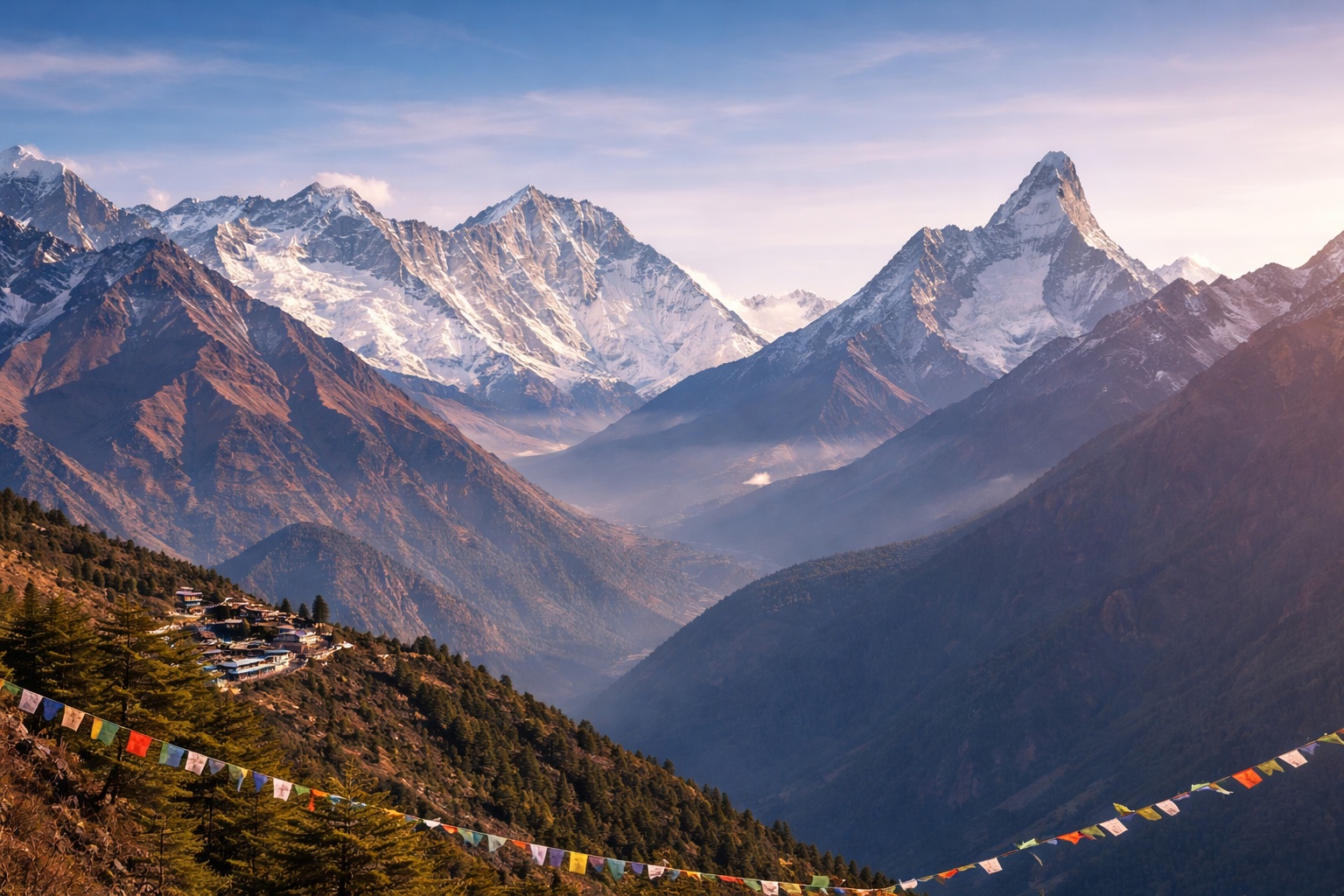
The International Mountain Museum in Pokhara is dedicated to the history of Himalayan mountaineering, exploration, and the culture of Nepal's mountain peoples, offering valuable context that enriches any Annapurna or Everest region trek taken before or after a visit. Exhibits cover the history of major Himalayan expeditions, the equipment and techniques used by climbers across different eras, and the traditions of Sherpa, Gurung, and other high-altitude communities whose lives are inseparably tied to the mountains.
A particular highlight of the museum is its collection relating to the first ascents of Nepal's great 8,000 metre peaks, including artefacts, photographs, and documentation from historic expeditions to Everest, Annapurna, and other major summits. The museum also houses a section dedicated to the natural history of the Himalaya, covering the region's unique flora, fauna, and geology, giving visitors a fuller picture of the environment their trek will pass through.
Located a short distance from central Pokhara, the museum makes for a worthwhile half-day visit, particularly for trekkers wanting deeper context on the history and culture behind the mountains they are about to walk among, or for those unable to trek who still want a meaningful connection to Nepal's mountaineering heritage. The museum's displays are well organised and presented in English alongside Nepali, making it accessible to international visitors, and it remains one of the most informative single stops available in the Pokhara valley for anyone with a serious interest in Himalayan history.
Basic but adequate teahouse facilities are typically available, offering a hot meal and a simple bed for trekkers passing through.
Facilities along this stretch of trail remain simple, and trekkers should carry sufficient cash, since cards are not accepted and ATMs do not exist beyond the larger towns.
Mobile signal in the area is patchy at best, and travellers should not rely on constant connectivity once they are this far into the trail network.
Weather at this elevation can change quickly, and a flexible itinerary with a buffer day or two is generally recommended for anyone travelling through this part of the route.